

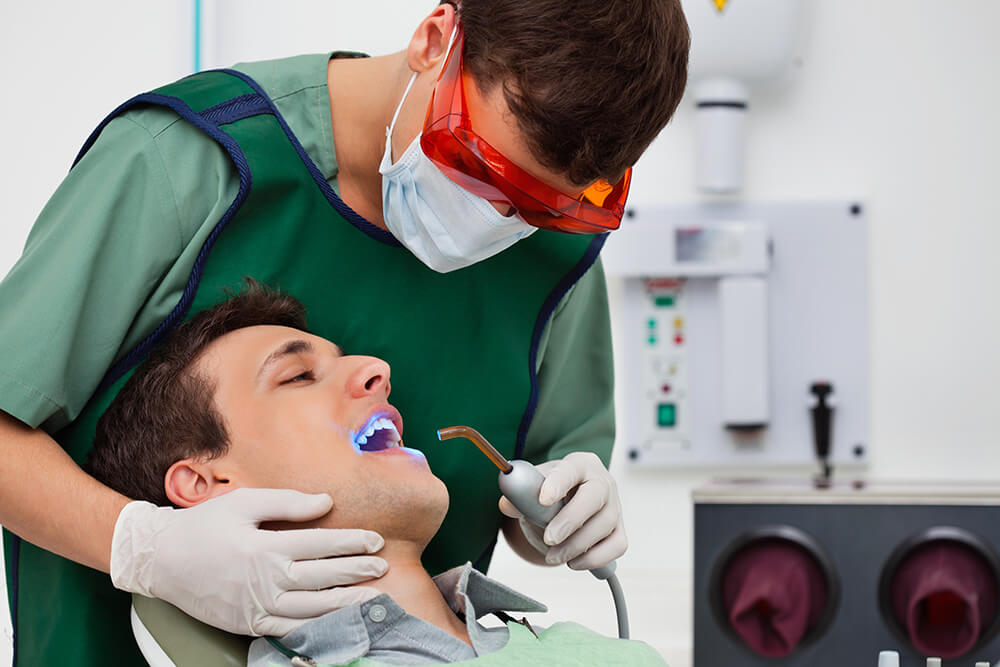
When it comes to your family’s dental health, prevention is key. Fluoride treatments and sealants are essential services that protect your children’s teeth from decay. You might wonder why these treatments matter. Simply put, fluoride strengthens your teeth, helping repair early decay. Sealants act as a shield, covering the grooves in your teeth where food can hide. Visiting your family dentist Panama City Beach will help keep your family smiling brightly. These services are especially crucial for children as their mouths grow and develop. Early intervention means less pain and fewer dental problems. Regular check-ups ensure your dentist can spot issues before they turn into costly procedures. As a parent, you want the best for your kids. Starting them with fluoride and sealants provides a strong foundation for healthy teeth. Remember, a little prevention goes a long way in maintaining your family’s dental health.
Understanding Fluoride Treatments
Fluoride is a natural mineral found in various water sources and foods. When used in dental care, it helps strengthen tooth enamel. Strong enamel is less likely to break down from acids and bacteria. The American Dental Association confirms fluoride’s effectiveness in reducing cavities by up to 40%. Regular fluoride treatments replenish the mineral in teeth, enhancing their ability to resist decay.
Fluoride treatments are simple. The dentist applies a fluoride gel, foam, or varnish directly onto your teeth. This quick process can be done during routine check-ups and provides lasting protection.
The Role of Dental Sealants
Sealants are thin, protective coatings applied to the chewing surfaces of back teeth. These teeth have grooves that are hard to clean with a toothbrush. Sealants fill them, preventing food particles from getting trapped. This stops bacteria from growing and causing cavities. The application is painless and quick, making it an ideal treatment for children.
According to the Centers for Disease Control and Prevention, children without sealants have almost three times more first-molar cavities. Sealants help maintain healthy teeth during those critical years when kids are still learning proper brushing techniques.
Comparing Fluoride and Sealant Effectiveness
| Treatment Type | Application Method | Target Age Group | Effectiveness in Reducing Cavities |
|---|---|---|---|
| Fluoride | Gel, Foam, Varnish | All Ages | Up to 40% |
| Sealants | Coating on Molars | 6-14 Years | Reduces cavities in molars by 80% |
Integrating Preventive Care into Daily Life
Good dental habits start at home. Brushing twice a day and flossing regularly are essential. Use fluoride toothpaste to enhance enamel strength. Reduce sugary snacks and drinks, as they can contribute to decay. Regular dental visits should include fluoride treatments and sealant applications when advised by your dentist. These steps make a big difference in your family’s health.
Common Misconceptions
Some parents worry about fluoride safety. Fluoride treatments are safe and effective when performed by a dental professional. The benefits of cavity prevention far outweigh any risks. Sealants are sometimes believed to be unnecessary, but they offer clear advantages. Preventing decay is always easier and less painful than treating it.
Concluding Thoughts
Preventive care in family dentistry is crucial. It reduces dental issues and promotes a lifetime of healthy smiles. Starting children with fluoride treatments and sealants means fewer cavities and stronger teeth. By prioritizing these services, you ensure a healthier future for your family. For more on dental recommendations, explore resources from the American Academy of Pediatric Dentistry. Remember, maintaining oral health now prevents bigger problems later. Embrace these treatments and give your family the gift of lasting dental health.

