
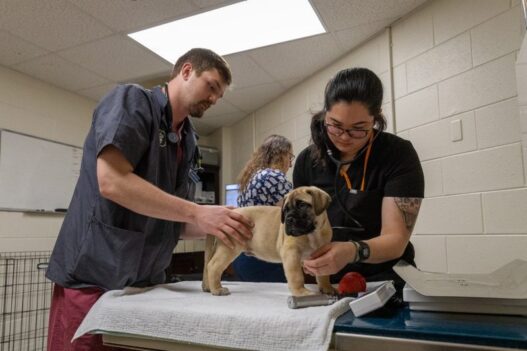
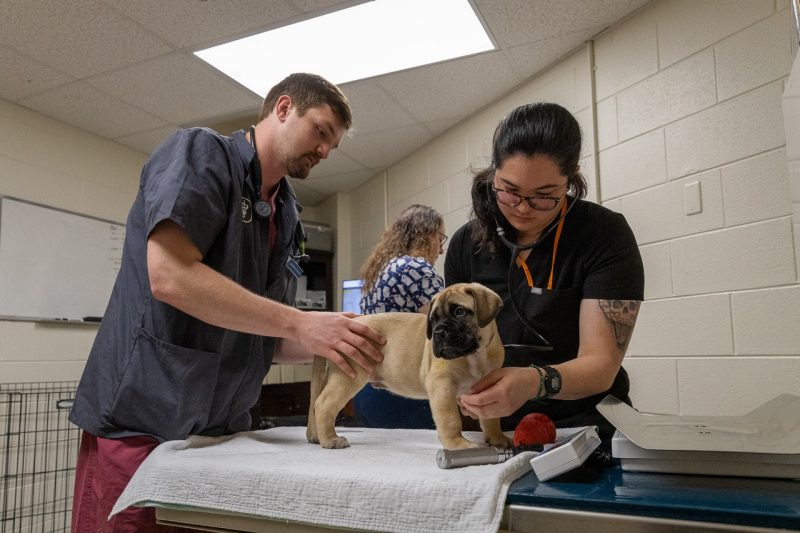
You want your animal safe, steady, and free from pain. Preventive medicine is how you do that. You do not wait for sickness. You act early. You vaccinate. You use parasite control. You plan regular checkups. You protect teeth, joints, and weight. You spot danger before it grows into crisis. This approach saves money, spares suffering, and protects your home and family. An East San Jose veterinarian sees the same pattern every day. Animals who come in only during emergencies face longer treatments, higher costs, and deeper worry.
Animals who receive steady preventive care stay stronger and live longer. This blog explains why preventive medicine is the core of veterinary practice. It shows what to expect from a preventive visit, which services matter most, and how simple habits at home support your animal for life.
Why acting early protects your animal
Preventive medicine rests on a simple fact. Disease is harder to treat once it is advanced. You see this in people. You also see it in animals. Heart disease, kidney failure, diabetes, cancer, and dental disease grow in silence for months or years. By the time you see clear signs, damage is often permanent.
Routine care catches problems when they are small. A yearly or twice yearly exam gives your veterinarian a chance to notice weight change, new lumps, heart murmurs, or pain. Simple blood and urine tests can uncover organ strain before it turns into failure.
The American Veterinary Medical Association explains that regular exams and vaccines cut infection risk and improve quality of life for both animals and people. You can read more at this AVMA preventive care guide.
Core pieces of preventive veterinary care
Preventive medicine covers three main groups of care.
First, there is routine screening and exams.
- Full physical exam of eyes, ears, mouth, skin, heart, lungs, abdomen, and joints
- Weight check and body condition score
- Blood work, urine tests, and stool tests based on age and risk
Second, there is protection against infection.
- Core vaccines for diseases like rabies, parvo, and distemper in dogs, and panleukopenia and rabies in cats
- Non core vaccines based on lifestyle, such as leptospirosis or Lyme
- Heartworm prevention for dogs and sometimes cats
- Flea and tick control
Third, there is daily life care.
- Nutrition that matches age, weight, and health
- Dental cleanings and at home tooth brushing
- Spay or neuter and other reproductive planning
- Behavior support and safe exercise plans
How preventive care saves money and stress
Emergency care is harsh. It often comes at night or on weekends. It forces you to make quick choices while you feel fear and pressure. Preventive care spreads costs across the year and lowers the odds of sudden crisis.
The pattern is clear. A small monthly payment for parasite prevention beats a large bill for anemia, infection, or hospitalization. A planned dental cleaning costs far less than extractions, jaw infection, or heart disease linked to chronic mouth infection.
The United States Centers for Disease Control and Prevention explains that parasite control in pets also protects human health. You can learn more at CDC Healthy Pets, Healthy People. Parasite prevention guards your wallet, your animal, and your family.
Comparing preventive visits and emergency visits
The table below shows common differences between a routine preventive visit and a typical emergency visit. Costs are rough examples and can vary by location.
| Type of visit | Purpose | Typical timing | Common services | Estimated cost range | Stress level for you and your animal |
|---|---|---|---|---|---|
| Preventive wellness visit | Keep health steady and catch problems early | Once or twice each year | Exam, vaccines, tests, parasite prevention, dental advice | Low to moderate | Low |
| Emergency visit | Respond to sudden illness or injury | Unplanned, often nights or weekends | X rays, lab tests, hospitalization, surgery, strong medicines | High to very high | High |
The special role of age in preventive care
Your animal’s needs change with age. You adjust your care plan in three stages.
First, during puppy and kitten months, you focus on growth. You plan a series of vaccines, parasite checks, and nutrition support. You talk about spay or neuter and early training. You set healthy habits that last.
Second, during adult years, you aim to keep health stable. You keep yearly exams and vaccines. You watch weight and behavior. You keep up on dental care and exercise. You look for subtle change, such as slower play or more thirst.
Third, during senior years, you check more often. Many veterinarians suggest visits every six months for older animals. You may run extra tests for kidneys, liver, thyroid, and joints. You discuss pain control and home changes that help with vision loss or stiffness.
What to expect during a preventive visit
A wellness visit should feel calm and clear. You should leave with answers. You should also leave with a plan.
You can expect three steps.
- Review. Your veterinarian asks about eating, drinking, bathroom habits, energy, and behavior. You share any concerns, even if they seem small.
- Examination. Your veterinarian checks your animal from nose to tail. The team may collect blood, urine, or stool. They may suggest vaccines or refills for prevention medicines.
- Planning. You talk through results and choices. You set a schedule for vaccines, tests, refills, and dental care. You ask about diet, training, and safe play.
How you can support preventive medicine at home
Preventive care does not end at the clinic door. Your daily actions protect your animal between visits.
- Use parasite prevention on time each month or as prescribed
- Measure food instead of free feeding
- Offer regular exercise that fits age and breed
- Brush teeth if your veterinarian says it is safe
- Check skin, ears, and mouth each week for change
- Keep a written log of any new signs to share at the next visit
Why preventive medicine sits at the core of veterinary practice
Preventive medicine is not extra. It is the base of strong veterinary care. It lets your veterinarian protect health instead of fighting constant crisis. It keeps your animal present in your life for more years with less pain.
You have power here. You choose regular visits. You follow through on vaccines and prevention. You watch closely at home. With these steps, you give your animal safety, comfort, and a steady life. That is the true core of veterinary practice. It begins with preventive medicine and it starts with you.

