
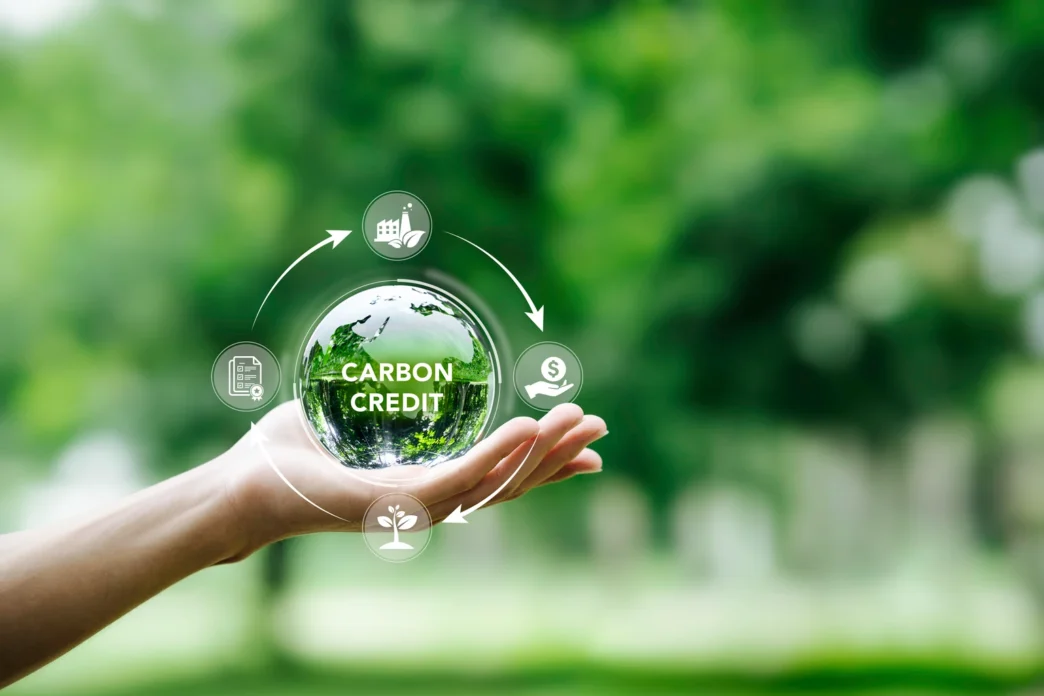
As climate change and sustainability become central to global policy and investment strategies, carbon credits have emerged as a viable option for environmentally conscious investors. Understanding how to invest in carbon credits allows individuals and businesses to participate in carbon markets, support emissions reduction, and potentially achieve financial returns.
Carbon Growth guide to investing in carbon credits provides practical insights for beginners, helping navigate the complexities of carbon markets and sustainable finance. This guide explains what carbon credits are, how the market functions, investment options, and strategies to get started.
What Are Carbon Credits?
A carbon credit represents one metric ton of carbon dioxide (CO₂) or its equivalent in other greenhouse gases that has been reduced, avoided, or sequestered. Companies or individuals can buy these credits to offset their emissions, supporting projects that reduce carbon in the atmosphere, such as:
- Reforestation and afforestation projects
- Renewable energy initiatives like wind, solar, or hydroelectric power
- Methane capture from landfills or agriculture
- Energy efficiency programs
By investing in carbon credits, buyers effectively fund environmental projects while potentially benefiting from a growing market.
How Carbon Markets Work
Carbon markets are platforms where carbon credits are traded. There are two main types:
1. Compliance Markets
- Operate under regulatory frameworks where companies must meet emissions reduction targets
- Examples include the European Union Emissions Trading System (EU ETS)
- Carbon credits are bought and sold to comply with legal obligations
2. Voluntary Markets
- Allow businesses and individuals to offset emissions voluntarily
- Often used to demonstrate corporate social responsibility (CSR) or personal environmental commitment
- Prices and standards may vary depending on the project type and certification
Why Invest in Carbon Credits
1. Support Sustainability
Investing in carbon credits contributes to projects that reduce greenhouse gas emissions, promote renewable energy, and protect ecosystems.
2. Potential Financial Returns
As global demand for carbon offsets grows, carbon credits may appreciate in value, providing investment opportunities for early participants.
3. Portfolio Diversification
Carbon credits offer a non-traditional asset class that can complement stocks, bonds, and commodities, adding diversification to investment portfolios.
4. Regulatory Preparedness
Companies investing in carbon credits can prepare for stricter future regulations and demonstrate proactive environmental responsibility.
How to Invest in Carbon Credits
1. Direct Purchase of Carbon Credits
- Buy credits from verified projects or exchanges
- Requires understanding certification standards such as Verified Carbon Standard (VCS) or Gold Standard
- Ideal for investors focused on supporting specific environmental projects
2. Exchange-Traded Funds (ETFs) and Funds
- Invest in ETFs or mutual funds that track carbon credit prices or carbon-reducing companies
- Provides exposure to the carbon market without managing individual credits
- Examples include funds that invest in renewable energy or carbon offset portfolios
3. Corporate or Institutional Partnerships
- Partner with companies or initiatives that generate carbon credits
- May include joint ventures in reforestation, renewable energy, or carbon capture projects
- Can offer both environmental impact and potential financial returns
4. Carbon Credit Futures and Derivatives
- Advanced investment options for experienced traders
- Futures contracts allow investors to speculate on future carbon credit prices
- Requires knowledge of market dynamics and risk management
Key Considerations for Beginners
1. Certification and Verification
Ensure carbon credits are from certified projects with transparent reporting, such as VCS, Gold Standard, or Clean Development Mechanism (CDM).
2. Market Volatility
Carbon credit prices can fluctuate based on supply, demand, regulatory changes, and global environmental policies.
3. Risk Management
Start with small investments and diversify across different types of credits or projects to mitigate risk.
4. Long-Term Perspective
Carbon credit investments often yield benefits over time, both environmentally and financially, rather than immediate returns.
5. Legal and Tax Implications
Consult with financial or tax advisors to understand reporting requirements, potential tax benefits, or implications associated with carbon credit investments.
Steps to Get Started
- Research Carbon Markets: Learn about compliance and voluntary markets, pricing, and trading platforms.
- Identify Credible Projects: Use certification standards to select legitimate carbon offset projects.
- Choose Investment Method: Decide between direct purchase, ETFs, funds, or corporate partnerships.
- Monitor Market Trends: Track policy changes, demand growth, and project developments.
- Evaluate Performance: Assess both environmental impact and potential financial returns periodically.
Benefits of Using Carbon Growth Guide to Investing in Carbon Credits
- Expert insights for beginners to understand carbon markets
- Step-by-step guidance on investing in verified projects
- Analysis of risks, opportunities, and long-term potential
- Tips for portfolio diversification and sustainability-focused investing
Conclusion
Investing in carbon credits is a practical way to contribute to global emissions reduction while exploring a growing market opportunity. By following the Carbon Growth guide to investing in carbon credits, beginners can navigate regulatory frameworks, select verified projects, and make informed decisions that balance environmental impact with financial considerations. Carbon credits offer a unique investment avenue that aligns with the increasing global focus on sustainability, corporate responsibility, and climate action.

