Technology is changing how you straighten your teeth and how you move through treatment. You now see options that fit your life, not the other way around. Digital scans replace messy impressions. You view 3D images of your teeth and understand each step. You track progress with photos on your phone and get quick guidance without missing work or school. You can choose quieter tools and shorter visits.
You may even finish treatment sooner with a plan that feels clear from day one. You also see more choices close to home, including clear aligners in Festus, MO. This shift is not about gadgets. It is about control, comfort, and trust. You get care that fits your schedule, your budget, and your goals. This blog explains how these tools work for you and what to expect if you start treatment now.
Table of Contents
From Putty Impressions to Digital Scans
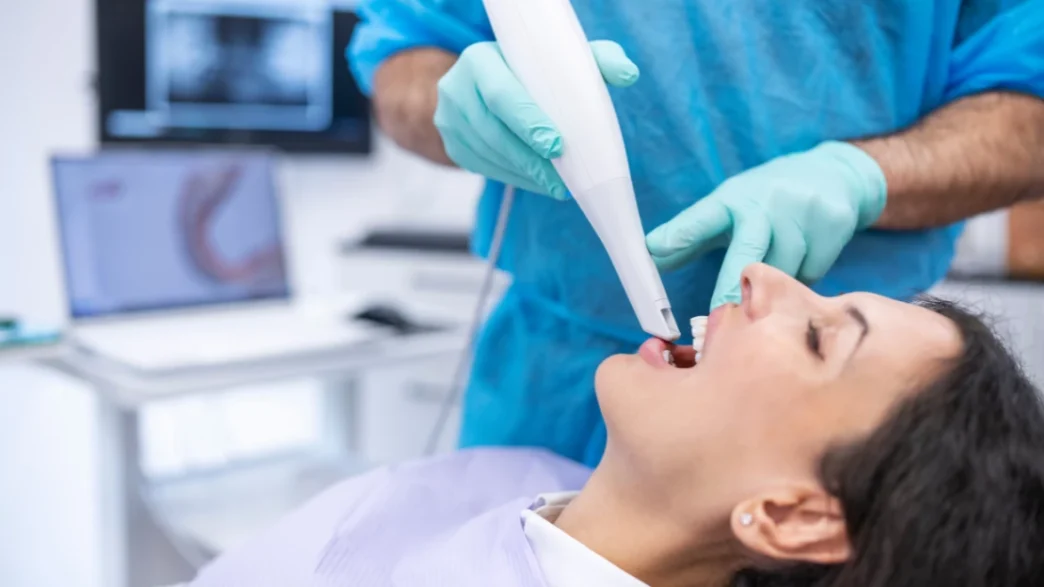
Older braces often began with trays of sticky putty. You had to sit still and hope you did not gag. Today many offices use digital scanners. A small camera glides over your teeth and creates a 3D model on a screen.
This change helps you in three clear ways.
- You stay more relaxed because there is no putty and less mess.
- You see a clear picture of your bite and can ask better questions.
- Your orthodontist can measure, plan, and adjust with higher accuracy.
The National Institute of Dental and Craniofacial Research explains that good planning supports a healthy bite and jaw over time. You can read more about bite problems and treatment on their site.
3D Treatment Planning You Can See
Once your teeth are scanned, software maps how they can move. You often see a short video that shows your teeth shifting step by step. This is not just a neat picture. It gives you real control.
You can:
- Review the starting point, the plan, and the likely result.
- Talk about how long treatment may take.
- Ask about choices that fit your daily routine.
For many parents, this view lowers fear. You see that each tooth has a clear path. You know what your child will go through and when major changes will happen. This makes it easier to say yes to treatment and to support your child through it.
Braces and Aligners: A Simple Comparison
New tools do not remove older ones. Instead you gain more choices. Braces and clear aligners both move teeth. Technology has sharpened both. The table below gives a plain comparison.
| Feature | Modern Braces | Clear Aligners |
|---|---|---|
| How they look | Small metal or ceramic pieces on teeth | Clear trays that fit over teeth |
| Removable | No. Stay on until removed by the orthodontist | Yes. You remove to eat, drink, and clean |
| Cleaning | Use careful brushing and floss tools | Brush teeth and rinse trays |
| Good for complex bites | Often the better choice for hard cases | Helps many cases. Some tough cases still need braces |
| Checkup visits | Wire changes and checks | Tray checks and new sets |
| Eating limits | Avoid very hard or sticky food | Fewer limits because you remove trays |
Technology supports both options. Scanners, better wires, and new materials can reduce rough spots and shorten some visits.
Shorter Visits and Remote Checkups
Many families worry about missed work or school. Technology helps cut that burden. Some offices use apps that let you send photos of your teeth from home. The orthodontist checks fit and progress on a secure screen.
This approach can:
- Reduce how often you need in person visits.
- Flag small problems before they become large ones.
- Let teens check in while at college or away.
In person visits still matter. Emergency repairs, major changes, and final checks still happen in the chair. Yet remote checks give you more flexibility and fewer rushed drives.
Comfort, Safety, and Clear Rules
New tools aim to reduce friction and soreness. Braces now use smoother parts. Aligners use plastic shaped by computer design. These changes may ease the first days of each step.
Safety stays the top concern. The U.S. Food and Drug Administration explains how dental materials are reviewed and what you should know about them. You can use this resource to ask focused questions about metals, plastics, and adhesives used in your mouth.
You also gain clearer rules. Apps and text reminders help you remember when to switch trays or wear elastics. This support matters. Missed wear can stretch treatment. Good use often shortens it.
Helping Kids and Teens Stay On Track
Children and teens often feel stress about how they look. Technology can ease that pressure. Smaller brackets and clear aligners draw less attention in class photos or on social media.
Parents can use three simple steps.
- Set a daily wear routine for aligners and connect it with meals or brushing.
- Use progress photos so your child sees changes and stays motivated.
- Keep regular checkups so small issues do not build up.
For growing kids, timing matters. Early checks let an orthodontist see how jaws and teeth are lining up. Some problems are easier to guide while bones are still growing. This can prevent tougher work later.
Costs, Insurance, and Honest Questions
Technology can affect cost in both directions. Some tools add expense. Others save time and reduce visits. You should ask clear questions at your first meeting.
- What options fit my teeth and my budget.
- How many in person visits will I need.
- What happens if treatment runs longer than planned.
Insurance plans treat orthodontic care in different ways. Many cover part of treatment for children. Fewer cover adults. It helps to call your plan before you commit. Ask about age limits, lifetime maximums, and pre approval rules.
How to Choose a Tech Smart Orthodontic Office
A modern office does not need every new device. You should look for tools that add clear value to your care. During a consult you can ask:
- Do you use digital scans instead of putty impressions.
- Can I see a 3D plan of my treatment before I start.
- Do you offer remote check ins when it is safe and useful.
Also listen for how the team talks about technology. The focus should stay on safety, health, and results, not on trendy gadgets. Your comfort and long term bite should guide each choice.
Taking Your Next Step With Confidence
Technology has changed orthodontic care in quiet but strong ways. You now see clearer plans, more control over your schedule, and tools that fit your daily life. You still need steady wear, clean teeth, and regular checkups. Yet you do not have to face the same hassle that older generations did.
If you or your child need straighter teeth or a healthier bite, you can ask for a consult and see these tools in action. You deserve care that respects your time, your health, and your peace of mind.