
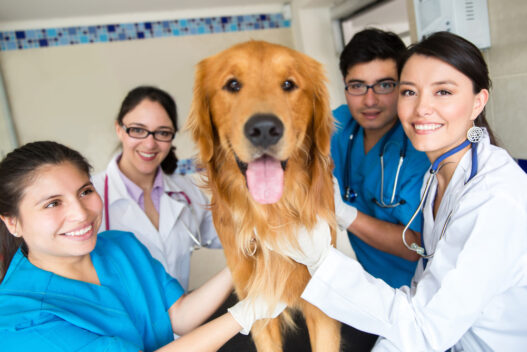
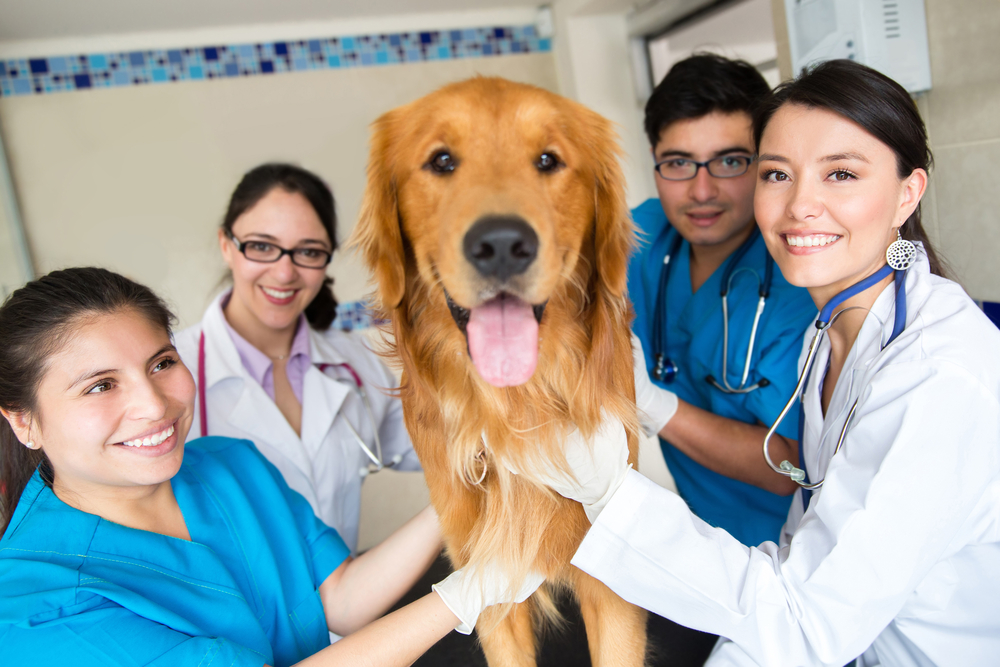
Diseases that start in animals can reach your family fast. You may not see the first signs. A cough in a dog. A fever in a barn. A bite from a scared cat. Veterinary hospitals stand between those early signs and a wider outbreak. When you visit a veterinarian in Oakville, Ontario, you protect more than your pet. You also help protect your neighbors, local workers, and children at school. These clinics track infections, report strange cases, and guide safe contact with animals. They watch food sources.
They test for parasites. They teach you how to clean bites and scratches. Public health often begins with a worried pet owner in a waiting room. This blog explains how that quiet visit supports clean streets, safe parks, and stable food supplies. It also shows how your choices with your pet can either block or spread disease.
Table of Contents
How animal health links to human health
Most new human infections start in animals. The Centers for Disease Control and Prevention explains that many harmful germs move from animals to people through bites, scratches, food, or close contact. You feel the harm as a sick child, a closed school, or a lost workday. You may never trace that cost back to a sick puppy or a backyard chicken.
Veterinary hospitals break that chain. You bring in a limping dog. The team checks for infection. They treat it early. They also warn you about risks to your family. That quiet talk in an exam room can stop a germ before it reaches a crowded bus or classroom.
Key ways veterinary hospitals protect your community
Every visit supports three simple goals.
- Keep harmful germs away from people
- Protect food and water
- Support safe homes, parks, and workplaces
Here is how that happens in clear, practical steps.
1. Routine exams and shots stop outbreaks
Routine care is quiet but strong. Vaccines and checkups keep common germs from spreading beyond your home. When many pet owners keep up with vaccines, whole neighborhoods stay safer.
- Rabies shots protect your family from a deadly virus spread by bites.
- Distemper and parvo shots lower the number of sick dogs in parks and shelters.
- Feline vaccines lower infections that can reach children with weak immune systems.
The American Veterinary Medical Association explains that vaccines protect both animals and people.
2. Disease tracking and reporting
Veterinary hospitals watch for patterns. One sick cat may be normal. Three sick cats from the same street may show a bigger threat. Staff report certain diseases to public health units. This helps health officers act fast.
Common reportable animal diseases include rabies, avian flu, and some types of salmonella. Early reports guide steps such as warnings for dog parks, advice for schools, or checks at farms.
Examples of veterinary actions that protect public health
| Veterinary hospital task | Risk controlled | Public health effect |
|---|---|---|
| Rabies vaccination and bite reporting | Rabies spread from pets and wildlife | Prevents deadly brain infection in people |
| Parasite testing and deworming | Roundworms and hookworms in soil | Lowers risk to children who play outside |
| Food safety checks for farm animals | Salmonella and E. coli in meat and eggs | Reduces foodborne illness in households |
| Flea and tick control plans | Lyme disease and other tick infections | Protects hikers, gardeners, and pets |
| Education on safe animal handling | Bites, scratches, and stress to animals | Reduces injuries and emergency visits |
3. Parasite control keeps parks and yards safe
Parasites in pets can harm people. Eggs from roundworms and hookworms pass in feces. If you skip clean up, those eggs can move into soil and sand. Children who play and put hands in their mouths face the highest risk.
Veterinary hospitals act in three ways.
- They test stool samples and treat pets on a schedule.
- They teach you how to clean yards and litter boxes.
- They guide safe play for children around pets and outdoor spaces.
These steps turn dog parks, beaches, and backyards into cleaner spaces for everyone.
4. Safe food from farm to table
Many veterinary teams work with farms and food producers. They examine herds, check barns, and review feeding plans. They also test for germs in milk, meat, and eggs. These checks support safe food on your plate.
When a vet spots a sick cow with a fever and odd behavior, quick action can remove that animal from the food chain. That protects many meals, not just one family dinner.
5. Help during disasters and disease emergencies
During floods, fires, or disease outbreaks, you may fight to keep your family safe. You may also worry about pets and livestock. Veterinary hospitals help plan for these events before they happen. They also support rescue and shelter work when trouble hits.
- They set up vaccine and microchip clinics before storm season.
- They support emergency shelters so pets can stay with families.
- They assist health units when an animal disease threatens people.
This support lowers fear, keeps families together, and helps whole communities recover.
6. Guidance for safe daily life with animals
Every visit is a chance to learn simple steps that protect your home.
- Wash hands after touching pets, cages, or food bowls.
- Keep pet food and human food apart in the kitchen.
- Teach children when to leave an animal alone.
These quiet habits reduce injuries and disease. They also build respect between people and animals.
Shared responsibility for public health
Veterinary hospitals carry heavy work for community health. Yet they cannot stand alone. Your choices decide how strong that shield becomes. When you keep vaccines up to date, follow parasite plans, and report bites, you guard your family and your neighbors.
When you walk into a clinic with a sick pet, you take part in public health work that protects schools, workplaces, and streets. That small act of care sends a clear message. Your family and your community deserve safety. Veterinary hospitals stand ready to support that promise, one exam room at a time.

