
The Science Behind Fused Quartz: What Sets It Apart?
Fused quartz, scientifically known as silica glass, is made from pure silica (SiO2) and is distinguished from other forms of glass by its high purity and unique manufacturing process. Unlike regular glass, which may contain various additives and impurities, fused quartz is created by melting high-purity silica sand at temperatures exceeding 1700°C. This process results in a non-crystalline structure that offers exceptional clarity, thermal stability, and mechanical strength. One of the standout characteristics of fused quartz is its lack of crystalline defects, which means it provides an unmatched optical clarity that is vital in applications requiring precise light transmission and minimal distortion.
Furthermore, the intrinsic properties of fused quartz make it appealing across various industries. Its extremely low thermal expansion coefficient ensures that it maintains its shape and integrity even when subjected to rapid temperature changes. This property, combined with high-temperature resistance, makes fused quartz an ideal candidate for applications in laboratories, semiconductor manufacturing, and even in high-performance optical devices.
Exceptional Thermal Properties: Why Heat Resistance Matters
The ability of fused quartz to withstand extreme temperatures without deforming or deteriorating is one of its most valuable properties, making it essential for high-temperature applications. With a softening point around 1200°C and a continuous working temperature of about 1000°C, fused quartz can handle thermal stress that would compromise ordinary glass. This resilience against thermal shock and high thermal stability is vital in industries like metallurgy and ceramics, where materials must endure drastic temperature fluctuations without failing.
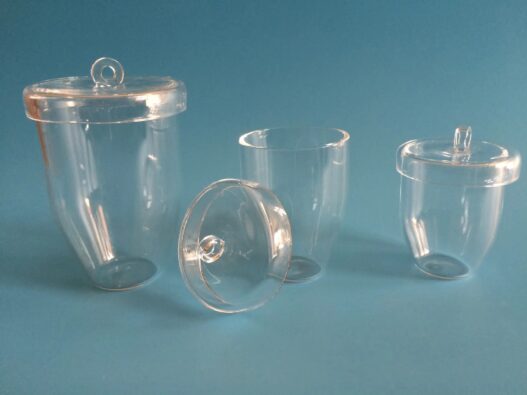
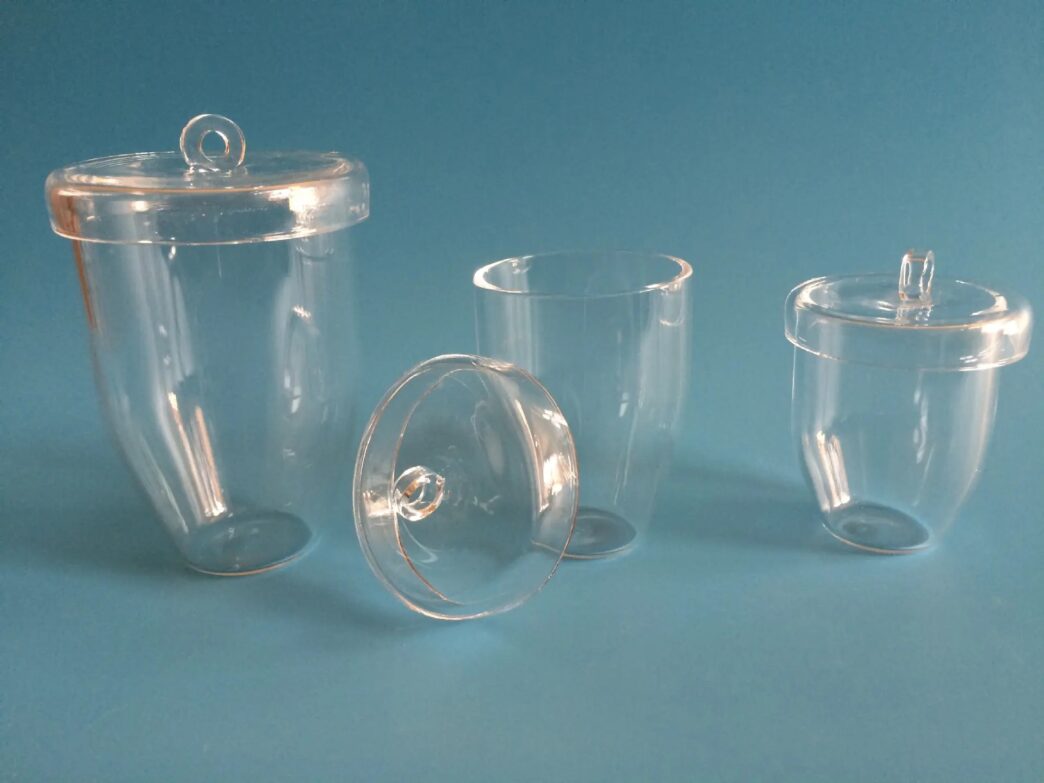
Furthermore, its superior heat resistance allows it to maintain clarity and performance in environments where other materials would fail. In scientific laboratories, for instance, fused quartz crucibles are essential for processes like melting and calcining substances at high temperatures, enabling researchers to conduct experiments with high precision and reliability. This allows for accurate data collection, leading to more effective advancements in material science and chemistry.
Chemical Inertness: The Guardian Against Contamination
Another key attribute of fused quartz is its remarkable chemical inertness. Fused quartz does not react with most acids, bases, or organic solvents, making it an ideal material for applications involving corrosive substances. This resistance to chemical attack ensures that there is minimal risk of contamination, which is critical in industries such as pharmaceuticals and biotechnology, where purity is paramount.
The ability of fused quartz to endure harsh chemical environments without compromising its integrity enables it to be used in a variety of laboratory and industrial processes. For example, when performing assays or reactions that involve volatile substances, the use of a fused quartz crucible ensures that no unwanted interactions or reactions occur. This reliability is crucial for obtaining accurate results and maintaining the validity of experimental conclusions.
Fused Quartz Crucibles in Action: Exploring Diverse Applications
A Crucible for Innovation: How Industries Rely on Fused Quartz
Fused quartz crucibles are pivotal to numerous industries due to their unique properties. In the metalworking industry, they are often used for melting precious metals such as gold and platinum, where high purity and resistance to oxidation are of utmost importance. The high thermal resistance allows these crucibles to maintain their structural integrity when filled with molten metal, ensuring both safety and efficiency in production.
In the ceramics industry, fused quartz is utilized for glazing and firing processes that require precise temperature control. The material’s resistance to thermal shock helps manufacturers produce consistent and high-quality ceramic products, catering to elevated consumer expectations and when working with specialized materials. As industries become increasingly quality-driven, the role of fused quartz becomes even more critical in maintaining product standards.
From Laboratory to Production: Versatile Uses in Research and Manufacturing
The versatility of fused quartz crucibles makes them an essential tool in research settings, particularly in studies involving high-temperature synthesis and material characterization. Scientists in materials science often use these crucibles for melting and homogenizing samples before carrying out spectroscopic or structural analysis. This ensures that the material being tested retains its properties without introducing contaminants from the crucible itself.
Moreover, in the semiconductor industry, the demand for purity and precision takes center stage. Fused quartz is integral to the manufacturing of silicon wafers, where high-purity crucibles are necessary to prevent surface defects and ensure optimal semiconductor performance. The production of optical fibers is another area where fused quartz shines, as its transparency and durability allow for efficient light transmission crucial for modern telecommunications.
Infusing Quality: The Role of Fused Quartz in Electronics and Semiconductors
The electronics industry relies heavily on the properties of fused quartz to fabricate high-quality devices. For instance, in the field of laser technology, fused quartz substrates are used to create lenses and optics due to their ability to transmit ultraviolet and infrared light effectively. This transmission capability is particularly beneficial in a range of applications, from medical devices to high-powered communications systems, where precision is essential.
Moreover, in thin-film applications, where layers are precisely deposited one after the other, high-quality fused quartz crucibles ensure that materials remain uncontaminated throughout the process. This guarantees that the end products, whether they be sensors or display screens, meet the rigorous standards set by the industry, with minimal defects and superior performance levels.
The Undeniable Benefits of Using Fused Quartz Crucibles
Cost-Effectiveness: Why Investing in Quality Pays Off
While the initial investment in fused quartz crucibles may be higher compared to other materials, the long-term benefits they offer make them a cost-effective choice. Their durability means they will last for many uses without breaking down, thereby reducing the need for frequent replacements. This longevity can translate into significant savings over time, especially in industrial settings where efficiency and uptime are critical.
Add to this their robustness in high-temperature environments where cheaper alternatives may fail, and the allure of fused quartz becomes even more potent. It’s not just about the purchase price; it’s about overall operational costs, including labor, downtime, and potential losses due to material contamination or failure rates. High-quality fused quartz ensures that manufacturers remain competitive and sustainable in the growing global market.
Durability and Longevity: The Lifespan of a Fused Quartz Crucible
The lifespan of fused quartz crucibles is commendable and is largely due to their inherent properties. Capable of enduring not just high temperatures but also corrosive environments, these crucibles navigate the challenging landscape of both physical and chemical wear. In typical applications, a high-quality fused quartz crucible can easily exceed expectations with multiple uses, far outlasting traditional glass or ceramic alternatives that can crack, chip, or fail under stress.
This longevity leads to fewer disruptions in production schedules and reduces waste, aligning with modern sustainability practices. By ensuring that materials function as intended and do not require constant replacement, businesses can align their operational approaches with environmental best practices, ultimately contributing to a less wasteful future.
Environmental Considerations: Sustainable Manufacturing Practices
Pursuing sustainable manufacturing practices is increasingly important in today’s environmentally-conscious world, and the use of fused quartz crucibles is an excellent example of this shift. Fused quartz is produced from naturally occurring materials and can be recycled, contrasting sharply with many synthetic materials that could generate additional waste. The longevity of fused quartz also plays a role in sustainability; longer-lasting products mean lower overall consumption of resources.
In addition, as industries seek to reduce their carbon footprint, incorporating materials like fused quartz can enhance their reputation as leaders in sustainability. Companies that prioritize eco-friendly practices not only attract conscientious consumers but also comply with strict regulatory measures that demand reduced environmental impact, potentially unlocking new markets and opportunities.
Navigating the Future: Trends and Innovations in Fused Quartz Technology
Advancements in Material Science: What’s Next for Fused Quartz?
The field of material science is continually evolving, with innovations that promise to enhance the capabilities of fused quartz. Researchers are actively exploring ways to improve its thermal and mechanical properties, such as enhancing its resistance to abrasion or developing composite materials that could further extend its use in different applications. Future advancements may also include the integration of smart technologies that allow for real-time monitoring of properties, enhancing the functionality of products relying on fused quartz crucibles.
As the demand for high-performance materials grows across industries, the ongoing development of fused quartz and its variations could lead to more specialized products tailored for niche markets, such as aerospace engineering or advanced photonics. These innovations will likely bolster fused quartz’s reputation as a go-to material for high-tech applications.
Rising Demand in New Industries: Where Is Fused Quartz Headed?
The burgeoning demand for advanced materials in sectors such as renewable energy, electric vehicles, and biotechnology indicates a promising future for fused quartz. For instance, as more companies pivot towards solar technology, the reflective and thermal properties of quartz could find new applications in solar panels and photovoltaic devices. Advanced sensors and energy storage devices may also require reliable components made from fused quartz, capitalizing on its inherent benefits.
Furthermore, biotechnology is a frontier where pure and chemically inert materials are necessary for developing new medical devices and diagnostic tools. The expected growth in these sectors can create unprecedented demand for fused quartz, urging manufacturers to adapt and innovate accordingly.
The Role of Fused Quartz in Modern Scientific Breakthroughs
As we look to the future, it’s evident that fused quartz will play a crucial role in many scientific breakthroughs. From high-energy physics experiments that require ultra-pure, clear viewing materials to advances in quantum computing where precise control over light and heat is vital, fused quartz stands out as an enabler of innovation. The pursuit of knowledge, driven by enhanced quantitative techniques and technologies, will continue to see fused quartz crucibles at the forefront of experimentation.
The adaptability of fused quartz in research laboratories underscores its significance; ongoing discoveries and modifications across various fields will inevitably lead to new applications and functions that we can only begin to imagine today. As technology advances, the role of fused quartz looks set not only to remain vital but to expand into new and exciting realms of scientific inquiry.

