
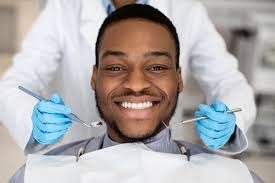
Cosmetic dentistry is changing fast, and those changes touch real lives. New tools and methods now give you more natural results, shorter visits, and less discomfort. You may feel uneasy about changing your smile. You may also feel pressure to look a certain way. A steady, informed guide matters. A Woodridge dentist now has access to digital scans, 3D printing, and stronger materials that match your teeth. These advances help fix chips, close gaps, and brighten stains with more control. They also reduce guesswork. Each step becomes clearer, from planning to final polish. You can see possible results before treatment. You can ask better questions. You can choose what fits your budget and your values. This blog explains four key advances that shape modern cosmetic care and shows how they protect your teeth while improving how you look.
1. Digital Smile Design and 3D Imaging
Digital smile design uses photos, scans, and software to plan your new smile. You see a clear picture before anyone touches a tooth. This gives you control and cuts fear.
Here is how it works.
- Your dentist takes digital photos and a 3D scan of your teeth and gums.
- Software builds a model of your mouth and face.
- You review a mockup of your future smile from many angles.
You can ask to change the tooth length, shape, or color. You can see how your teeth line up with your lips and jaw. You do not need to guess.
The National Institute of Dental and Craniofacial Research explains how tooth wear affects your bite and comfort. Digital planning helps your dentist protect your bite while improving how you look.
Digital tools help your child as well. Teens who need bonding or veneers after an injury can see likely outcomes first. This can calm fear and lower stress for the whole family.
2. 3D Printing for Crowns, Veneers, and Aligners
3D printing now shapes many cosmetic treatments. Your dentist can scan, design, and print custom pieces that fit your teeth.
Common uses include three things.
- Temporary crowns that protect teeth while you wait for a final crown.
- Mockup veneers you can test before you agree to permanent changes.
- Clear aligners that straighten teeth without metal brackets.
This cuts wait times. It also reduces the number of visits you need. You spend less time in the chair and less time away from work or school.
Traditional vs 3D Printed Dental Restorations
| Feature | Traditional Lab Method | 3D Printed Method |
|---|---|---|
| Typical wait for crown | 1 to 3 weeks | Same day or a few days |
| Number of visits | Two or more | Often one |
| Impressions | Goo filled trays | Quick digital scan |
| Fit changes | More grinding and shaping | More accurate from the start |
Faster treatment does not mean rushed work. The printer follows a precise digital plan. This improves fit and comfort for crowns, bridges, and clear trays.
3. Stronger, More Natural Materials
Old crowns and fillings often showed dark lines. New materials help your teeth look and feel more like natural enamel.
Common modern options include three main groups.
- Tooth colored composite for fillings and small repairs.
- Porcelain and ceramic for crowns and veneers.
- Zirconia for strong back tooth crowns that still match your teeth.
These materials reflect light more like real teeth. So your smile does not look fake in photos. You can laugh, talk, and eat without worrying that others will notice your dental work first.
The Centers for Disease Control and Prevention stresses the need to keep as many natural teeth as possible. Many new materials bond to your teeth in thin layers. This lets your dentist remove less tooth structure while still improving color and shape.
This matters for children and teens with chips from sports or falls. A thin layer of bonded composite can protect the tooth and improve the look without heavy drilling.
4. Clear Aligners and Gentle Tooth Movement
Clear aligners changed how people straighten teeth. You wear a series of clear trays that move teeth in small steps. You take them out to eat and brush. You keep them most of the day and night.
For many adults, this removes the fear of metal braces. You can work, care for your family, and speak at meetings without visible wires.
Clear aligners can help with three common concerns.
- Crowded teeth that trap food and plaque.
- Spaces that affect your smile and speech.
- Mild bite issues that stress certain teeth.
Better alignment can make cleaning easier. This supports long-term gum health. It also helps protect previous cosmetic work, such as veneers and bonding, from uneven pressure.
How to Talk With Your Dentist About These Advances
You do not need expert knowledge to ask strong questions. You only need to stay direct and clear.
Here are three steps.
- State your main goal. For example, “I want my front teeth to match in color” or “I want less crowding on the bottom.”
- Ask which newer tools might help. Ask about digital scans, mockups, or 3D printing.
- Review costs, upkeep, and likely lifespan for each option.
Carry photos of a smile you like. This helps your dentist understand your taste. It also keeps the talk focused on what matters most to you and your family.
Protecting Your Results Over Time
New methods give you more choices. Still, your daily habits decide how long your results last.
Focus on three simple actions.
- Brush with fluoride toothpaste twice a day.
- Clean between your teeth every day with floss or interdental brushes.
- See your dentist regularly for exams and cleanings.
These steps guard both cosmetic work and natural teeth. They also help your dentist spot small issues before they become large problems.
Cosmetic dentistry now offers clear plans, faster visits, and stronger materials. With the right questions and steady care, you can choose changes that fit your life, protect your health, and support your confidence for many years.

