
Your braces or clear aligners did the hard work. Now the real test starts. After treatment, your teeth still want to move. Your gums and bone need time to adjust. Without a retainer, your smile can slowly slip back. That can feel crushing after years of effort and cost. Orthodontists know this pattern well. So they create a plan that guards your new smile every day. You learn when to wear your retainer, how to clean it, and what warning signs to watch. You also learn what happens if you stop. An orthodontist in Upland, California uses retainers to keep teeth steady, guide healing, and protect your bite. This blog explains why retainers matter, how they work, and what you can expect. You get clear steps. You gain control over what happens next.
Why Teeth Try To Move Back
Teeth sit in bone and tissue that change all the time. When braces or aligners move teeth, the fibers around each tooth stretch. They remember the old position. After treatment, those fibers pull. They try to drag their teeth back.
At the same time, your bone is still healing. It needs steady pressure to harden around the new tooth position. Any gap in support gives teeth room to shift. That shift can happen fast in the first year. It can also creep in slowly over many years.
Retainers act like a seat belt. They hold teeth in line while your body catches up.
Types Of Retainers And How They Work
Orthodontists use three main types of retainers. Each one holds teeth in place in a different way.
Comparison Of Common Retainer Types
| Retainer Type | Where It Sits | Removable | Best For | Key Care Needs |
|---|---|---|---|---|
| Hawley retainer | Roof of mouth or behind lower teeth with front wire | Yes | Minor bite changes over time | Brush with a soft brush and cool water |
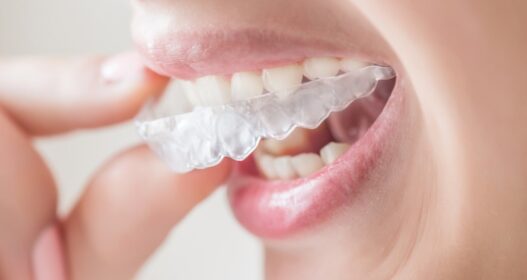
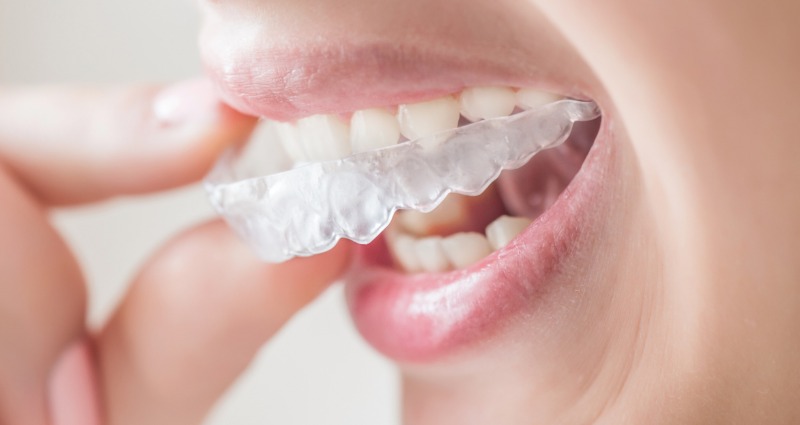
| Clear plastic retainer | Snaps over teeth like thin tray | Yes | Keeping exact tooth position and smile look | Rinse after wear and store in case |
| Fixed bonded retainer | Wire glued behind front teeth | No | Front teeth that moved a lot | Floss around the wire and check for loose spots |
Each type has strengths. A Hawley retainer is sturdy. A clear retainer is nearly invisible. A fixed retainer stays in place day and night. Your orthodontist chooses one or a mix based on how your teeth moved and your daily life.
How Long You Need To Wear A Retainer
There is a simple truth. Teeth can shift at any age. So some level of retainer wear usually lasts for life.
Yet the schedule often follows three stages.
- Stage one. Full-time wear right after braces or aligners come off. Often 20 to 22 hours per day.
- Stage two. Nighttime wear only after your orthodontist sees steady teeth.
- Stage three. Long-term night wear a few nights per week to keep things stable.
The American Association of Orthodontists explains that retainers are needed to hold teeth in their new positions after braces and aligners.
What Happens If You Stop Wearing Your Retainer
Stopping retainer wear can lead to three common problems.
- Teeth twist or crowd again. You may see one front tooth start to turn.
- Your bite changes. Chewing can feel uneven or rough.
- Your jaw joints may feel sore from a new bite pattern.
Early shifts might be mild. Yet they can grow. At some point, a retainer alone may not fix the change. You may need braces or aligners again. That means more time and cost. Consistent retainer use is much easier than repeat treatment.
Daily Retainer Care You Can Follow
Good care keeps your retainer clean and safe. It also keeps your mouth healthy.
- Rinse your retainer with cool water after each use.
- Brush it gently with a soft toothbrush. Use mild soap if your orthodontist says it is safe.
- Store it in a hard case any time it is not in your mouth.
- Keep it away from heat. Hot water and car dashboards can warp plastic.
- Never wrap it in a napkin. That is how many retainers end up in the trash.
The National Institutes of Health shares that oral devices collect plaque and germs. Cleaning them reduces the risk of gum problems. You can read general oral hygiene guidance at https://www.nidcr.nih.gov/health-info/tooth-decay/more-info.
Warning Signs You Should Not Ignore
Contact your orthodontist if you notice any of these signs.
- Your retainer feels very tight after a short break in wear.
- You see a gap or overlap that was not there before.
- The retainer cracks, bends, or feels rough.
- You feel pain in your teeth or jaw when you put the retainer in.
Quick action can stop small shifts from becoming large ones. Many small changes are easy to fix when caught early.
Helping Your Child Or Teen Stay On Track
Parents play a strong role in retainer success. You can help a child or teen stay on track with three simple steps.
- Set a routine. Link retainer wear to brushing teeth in the morning and at night.
- Use one safe storage spot at home so the case is always easy to find.
- Check in each week. Ask how the retainer feels and look for any cracks or buildup.
Clear rules and calm support reduce stress. They also show your child that protecting their smile matters.
Staying In Control Of Your Smile
Retainers can feel like one more thing to manage. Yet they are your main shield against teeth shifting back. You worked hard for straight teeth. You can protect that work with steady habits, good care, and quick follow-up when something feels off.
With a clear plan from your orthodontist and a simple routine at home, you keep control. Your teeth stay steady. Your bite stays strong. Your smile stays yours.

