
You might be wondering if straightening your teeth is really worth it, especially if your gums already feel a little tender or you have a history of bleeding when you brush. Maybe you have heard stories about braces “ruining gums,” or you are worried that clear aligners will make cleaning harder and cause gum disease down the road. Talking with an experienced orthodontist in Whittier, CA can help clear up these concerns. Because of all this noise, it is easy to feel stuck between wanting a healthier, more confident smile and fearing that treatment could make things worse.end
Here is the short version. Orthodontic treatment can support long term gum health when it is well planned, gently executed, and paired with good daily care. It can also create problems if it is rushed, poorly supervised, or done on teeth and gums that are already unstable. The difference comes down to timing, diagnosis, and how willing you are to partner with your orthodontist and dentist along the way.
So where does that leave you? It leaves you in a place where careful information and calm decisions matter more than quick fixes or trends. You do not need to become a dental expert. You just need to understand the main ways orthodontics interacts with your gums, what to watch for, and how to protect yourself.
Is orthodontic treatment good or bad for your gums over time?
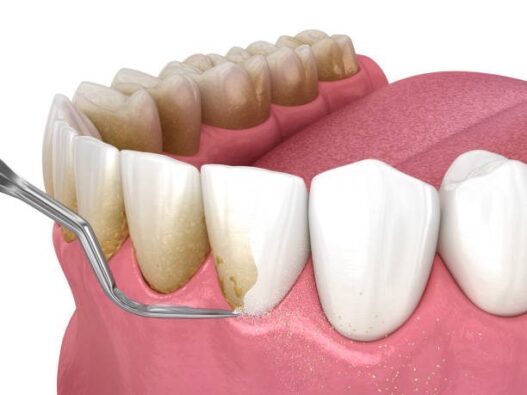
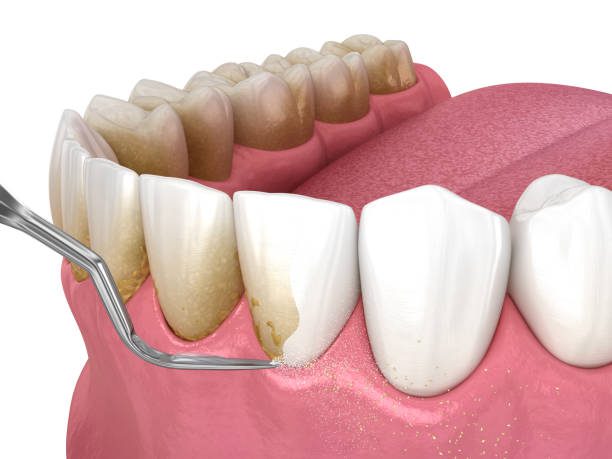
The honest answer is that it can be either, depending on how it is done and what your mouth is like before treatment starts. Crooked, crowded, or overlapping teeth are harder to clean. Food and plaque collect between tight overlaps, which raises the risk of gum inflammation and, over years, true periodontal disease. This is one reason many adults consider orthodontic treatment in the first place. They are tired of feeling like they are always fighting plaque in the same stubborn spots.
On the other hand, braces and aligners add hardware and plastic surfaces to your mouth. These new surfaces can trap plaque if you are not careful, and any trapped plaque near the gumline can trigger swelling, bleeding, and bone loss if it sits there long enough. So the same process that can make teeth easier to clean in the long run can make cleaning harder in the short run if you do not have support and a clear plan.
If you already have gum disease or think you might, this tension can feel scary. You might be asking yourself whether you are even a candidate for treatment. You are not alone. Many adults bring these exact worries to their first consultation. The American Association of Orthodontists has heard them so often that it has a resource where orthodontists respond to common adult questions about treatment, including health concerns, which you can read through here.
What makes gums healthier after orthodontics, and what can put them at risk?
To understand the long term effects of orthodontics on gum health, it helps to separate the problem into a few pieces. First is your starting point. If your gums are already inflamed, receding, or you have bone loss, that is called periodontal disease. The Centers for Disease Control and Prevention describes how common and serious gum disease is, and how it develops silently for many people, which you can see explained in plain language on the CDC gum disease page.
If active gum disease is present, it usually needs to be treated and stabilized before teeth are moved. Moving teeth in unhealthy bone is like trying to remodel a house on a cracked foundation. It can be done, but only with a structural plan and support from a periodontist or general dentist who understands your history.
Second is how your teeth relate to each other. When teeth are crowded or tipped in strange directions, the forces on the gums and bone are uneven. This can create “traumatic bite” areas where a tooth hits too hard or in the wrong place. Over years, that pressure can contribute to recession in that area. Thoughtful orthodontic treatment can spread out those forces so the gums and bone are under more even, gentle load. That usually supports better stability and comfort.
Third is your cleaning routine during treatment. Braces, wires, and attachments make brushing and flossing more demanding. Clear aligners can dry out the gums if worn constantly without breaks for hygiene, and they can trap plaque against the teeth if you put them back in without cleaning. The National Institute of Dental and Craniofacial Research has a helpful overview of gum disease signs, causes, and prevention that can deepen your understanding of what your daily care is fighting against. You can read it on the NIDCR site.
So the question becomes, how do you get the benefits of straighter teeth while avoiding the short term risks to your gums during treatment?
Comparing risks and benefits for your gums over time
When you are anxious, it can help to see the tradeoffs clearly. The table below compares typical gum related risks and benefits of well supervised orthodontic treatment versus leaving crowded teeth untreated over many years.
| Scenario | Short term gum impact | Long term gum impact | What this can look like in real life |
|---|---|---|---|
| Supervised orthodontic treatment with good hygiene | Mild temporary gum swelling in some areas. Extra time needed for brushing and flossing. | Improved access for cleaning. Lower risk of plaque trapping. More stable bite forces on gums and bone. | Gums may look puffy around brackets at times, but years later cleanings are easier, and bleeding points are fewer. |
| Supervised orthodontic treatment with poor hygiene | Frequent bleeding, visible plaque, and possible early cavities around brackets or under aligners. | Higher risk of recession, permanent bone loss, or chronic gingivitis if habits do not change. | Gums stay red and tender, dental cleanings are painful, and there may be small “black triangles” from tissue loss. |
| No orthodontic treatment, crowded teeth remain | Cleaning is difficult in crowded areas, but there is no added hardware. | Ongoing plaque traps raise the risk of moderate to severe periodontal disease over decades. | Despite regular brushing, the same tight spots bleed for years, and deeper pockets may form over time. |
| Unsuspervised or DIY tooth movement | Gums may recede quickly near teeth that are moved too fast or in the wrong direction. | Permanent damage to gums and bone, including loose teeth, is possible. | Teeth may look straighter, but sensitivity, gum loss, and mobility show up within a few years. |
So, where might you land in this comparison? That depends on your willingness to have your gums fully evaluated before starting, your choice of orthodontic care for gum health, and how committed you feel to daily home care once treatment begins.
Three practical steps to protect your gums before, during, and after orthodontics
1. Start with a true gum health check, not just a quick glance.
Before you move a single tooth, ask for a thorough periodontal evaluation. That means your dentist or periodontist measures pocket depths around your teeth, checks for recession, and reviews X rays for bone levels. If gum disease is present, treatment such as deep cleaning or other therapy should come first. This step can feel like a delay when you are eager to begin, yet it is the foundation for safe orthodontic movement that supports your gums instead of stressing them.
2. Build a realistic cleaning routine that fits your actual life.
Gum health during orthodontic treatment does not depend on perfection. It depends on consistency. Work with your orthodontist and hygienist to choose tools you will truly use. That might mean an electric toothbrush with a timer, a water flosser if traditional flossing frustrates you, and small interdental brushes to reach under wires. Set specific times that you know you can protect, like after breakfast and before bed. If your schedule is hectic, be honest about it so the plan is tailored instead of idealized.
3. Ask about forces, timing, and your personal risk for recession.
During your consultation, do not be shy about asking how your teeth will be moved, how fast, and what that means for your gums. Certain movements, like pushing teeth outward through thin bone, can raise the risk of gum recession. A thoughtful orthodontist will explain these risks in plain language and may adjust the plan or involve a periodontist if your anatomy is delicate. Understanding the “why” behind the plan can make you more confident and more alert to early warning signs such as new sensitivity, blanching of gum tissue, or sudden changes in gum shape.
Moving forward with orthodontics and gum health in mind
Living with crooked or crowded teeth can wear you down. You may feel self conscious about your smile and quietly worry about what is happening under the surface with your gums. At the same time, you might be nervous that orthodontic treatment could trigger problems you will regret later. That tension is understandable. It simply means you care about both how your teeth look and how healthy they stay.
The good news is that with a careful plan, honest conversation, and a commitment to daily care, orthodontic treatment can support healthier gums instead of undermining them. You do not have to choose between a straighter smile and strong periodontal support. You just need the right team and a clear understanding of your own risks and responsibilities.
Reach out to an orthodontist and your general dentist, bring your questions about gum health to the front of the conversation, and ask them to walk you through your options. You deserve a plan that protects your gums not only during treatment, but for the years that follow.

