
You might be feeling a bit torn right now. You care about your family’s health, you want strong teeth and healthy gums, yet you also feel uneasy every time you throw away another plastic toothbrush or watch the tap run while your kids brush. You want to do the right thing for the planet, but you do not want to gamble with your family’s oral health, especially when it comes to treatments like San Antonio dental crowns and caps that protect and restore your smile.
If that sounds familiar, you are not alone. Many parents feel stuck between the comfort of old habits and the pressure to cut waste and save water. Because of this tension, you might wonder if “green” dental habits really work, or if they are just another trend that will fade.
Here is the reassuring part. You do not have to choose between healthy smiles and a healthier environment. With a few realistic changes, you can build an eco friendly oral care routine that still follows solid dental science. In simple terms, you can protect your child’s teeth and the planet at the same time.
Why does greener oral care feel so confusing for families?
The confusion often starts with mixed messages. One person tells you to switch to bamboo toothbrushes, another says they are not approved by dentists. You read that you should save water, but then you hear that what really matters is fluoride toothpaste and brushing time. It can feel like you are being pulled in different directions.
There are a few common worries that come up for families.
First, there is the fear of sacrificing quality. You might think, “If I change from my usual products, will my kids get more cavities?” That is a fair question. Dentists still recommend brushing twice a day for two minutes with fluoride toothpaste, and they still care about plaque removal more than packaging. For example, the American Dental Association’s guidance on toothbrushes focuses on soft bristles, size, and proper technique, not on whether the handle is plastic or bamboo.
Second, there is the money issue. Many eco products cost more upfront, and when you are balancing school expenses, groceries, and healthcare, paying extra for a “green” toothpaste or floss can feel like a luxury. You might worry that you will spend more and still end up at the family dentist with cavities to fix.
Third, there is the mental load. You already juggle school runs, work, appointments, and meals. Adding “research every product” to your list can feel exhausting. So, where does that leave you?
It leaves you looking for small, science-backed choices that lower waste, protect water, and keep your dentist happy. You do not need a perfect zero-waste bathroom. You just need a few smart habits you can actually stick to.
What are 5 eco friendly oral care tips every family can actually use?
Instead of chasing perfection, focus on practical changes that fit real family life. Here are five grounded ideas that respect both your time and your values.
1. Choose toothbrushes that are kinder to the planet, but still kind to teeth
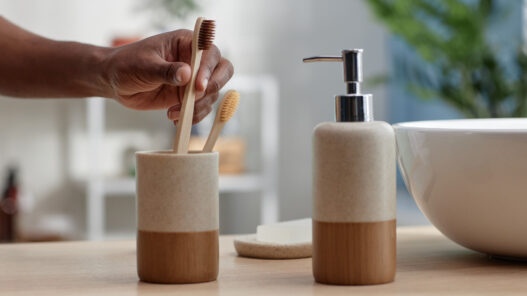
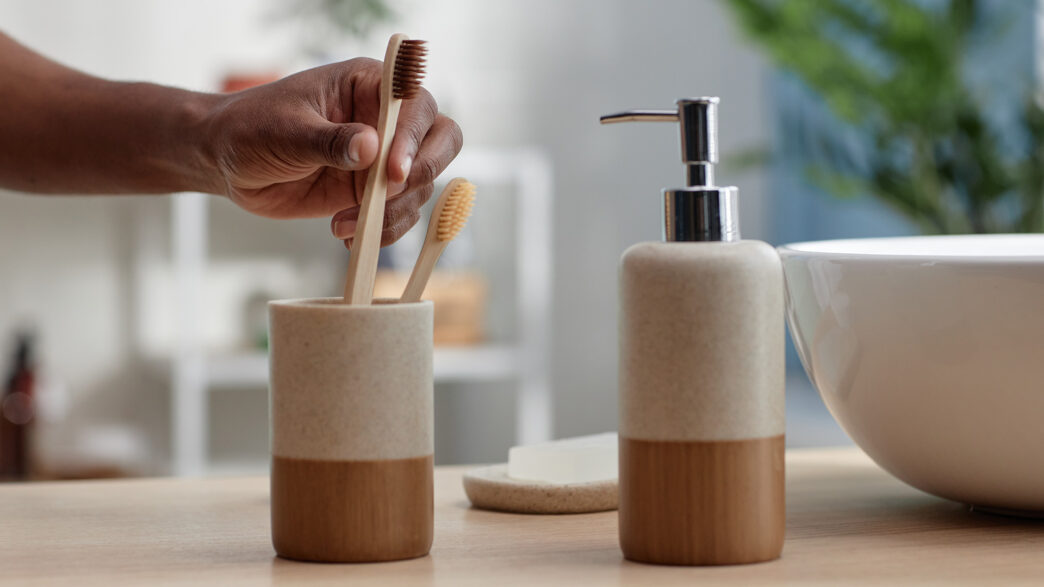
Start with the basics. Everyone in your home needs a soft-bristled brush that fits their mouth and hand. That part should never change. What you can adjust is the handle material and how often you replace it.
You might try brushes with plant-based or recycled plastic handles. Some brands offer replaceable heads so you keep the handle and only swap the bristles. This cuts down on trash without changing the way you brush. Make sure children’s brushes still have small heads and soft bristles so they can reach the back teeth without hurting their gums.
2. Turn off the tap while brushing to save surprising amounts of water
This is one of the simplest “green” changes, and it costs nothing. Many kids (and adults) leave the water running for the full two minutes while brushing. That can waste several gallons every time. The good news is that turning off the tap does not affect how well you clean your teeth.
If your children are curious, you can use it as a mini science lesson. The California Department of Water Resources has a kid friendly booklet, “All About Water”, that can help them understand why every drop matters. When kids feel involved, they are more likely to remember to shut off the tap on their own.
3. Be thoughtful with toothpaste choices and how much you use
You do not need to squeeze a thick ribbon of paste across the whole brush. Dentists recommend a pea sized amount for adults and older children, and a rice sized smear for toddlers. Using the right amount means each tube lasts longer, which reduces packaging waste and saves money, while still giving enough fluoride to protect the teeth.
If you are curious about lower waste options like toothpaste tablets or powders, speak with your family dentist and check that they contain fluoride and have reputable testing. The most eco friendly toothpaste is one your family uses correctly and consistently.
4. Rethink floss and interdental cleaners in a realistic way
Traditional floss often comes in plastic containers, and single-use floss picks create even more waste. Some families switch to floss made with natural fibers or refills that fit into reusable cases. Others use interdental brushes with metal wires and minimal plastic, which can be more efficient for people with braces or wider spaces between teeth.
The key is to choose a method that your family will actually use every day. Skipping floss entirely is not a green choice if it leads to gum disease and more dental treatment later.
5. Schedule regular preventive visits instead of waiting for problems
This might not sound like an eco tip at first, but prevention is powerful. Regular cleanings and checkups with your family dentist help catch problems early. A small cavity or early gum inflammation is much easier to treat than a severe infection that needs extensive work, more materials, and more energy.
Think of it as maintenance instead of repair. Just as regular tune-ups keep a car running longer, routine dental care helps your teeth stay healthy, which reduces the need for complex procedures down the road.
How do “green” oral habits compare to traditional ones?
You might still wonder how these changes stack up in real life. Does it really matter if you switch toothbrush styles or turn off the tap? The table below offers a simple comparison to help you weigh the options.
| Habit | Traditional Approach | Eco Conscious Alternative | Impact on Teeth | Environmental Impact |
|---|---|---|---|---|
| Toothbrush choice | Full plastic brush replaced every 3 months | Recycled or plant-based handle, or replaceable head system | Equal, as long as bristles are soft and used correctly | Less plastic waste over time |
| Water use while brushing | Tap running for full 2 minutes | Tap turned off except for wetting and rinsing | No difference in cleaning effectiveness | Significant water savings per year |
| Toothpaste use | Thick ribbon covering full brush | Pea sized (or rice sized for toddlers) | Equal or better, since brushing technique matters more | Fewer tubes used, less packaging waste |
| Flossing | Plastic floss picks used daily | String floss in refillable case or interdental brushes | Equal or better if used correctly | Less single-use plastic |
| Dental visits | Only when in pain or when something breaks | Regular preventive checkups and cleanings | Fewer emergencies, better long-term health | Less material and energy used on major treatments |
What can you start doing today to build greener oral care habits?
Change feels easier when you have simple, clear first steps. You do not need to overhaul your entire bathroom tonight. Just pick a few actions that feel doable this week.
1. Audit your current routine for one small “green win”
Stand in your bathroom and notice what you already use. Are the taps often left running. Are there old toothbrushes sitting in a cup. Choose one simple win. For example, decide that everyone will turn off the tap while brushing starting tonight, or that you will use up your current toothpaste while practicing using a pea sized amount.
2. Involve your kids in one eco friendly oral care choice
Children are more likely to follow habits they helped create. You might invite them to pick the color of their next lower waste toothbrush or make a fun sign above the sink that says “Brush, Pause, Save Water.” Explain in simple words that caring for their teeth is also a way of caring for the Earth. This turns routine into responsibility rather than nagging.
3. Talk with your family dentist about safe, sustainable options
At your next checkup, bring your questions about green products. Ask which toothbrush features matter most, whether a specific toothpaste tablet is safe, or how often your child really needs X-rays. Dentists also think about environmental impact. The American Dental Association has even shared ideas on ways dental practices can go green, so your dental team may already have thoughtful suggestions you can apply at home.
Bringing it all together without overwhelming yourself
It is normal to feel a bit anxious when you change routines that affect your child’s health. You want to be careful. You also want to model responsibility and care for the planet. The good news is that you do not need to choose between them. A few steady habits like turning off the tap, choosing better toothbrushes, using the right amount of toothpaste, and keeping up with checkups can create a meaningful shift.
As you try these eco friendly dental care ideas, remember that consistency matters more than perfection. Even one change, repeated every day, can help your family’s smiles and the environment at the same time.

