
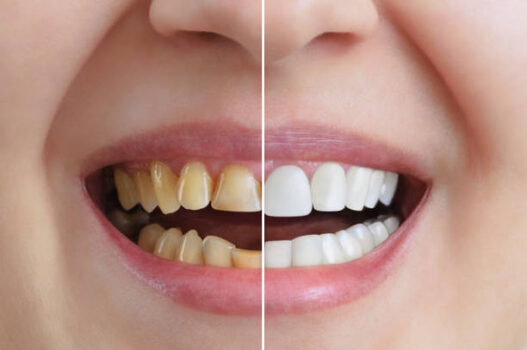
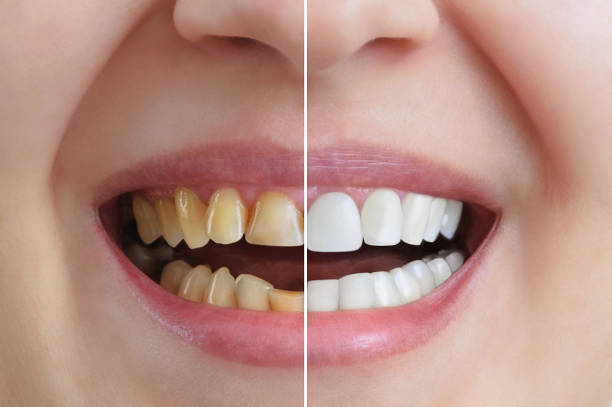
You want a better smile that still looks like you. Cosmetic dentists focus on small, careful changes that fit your face, age, and personality. They study how your teeth move when you talk, laugh, and rest. Then they plan treatments that respect those natural patterns. They may use bonding, whitening, veneers, or Invisalign Fresno to correct shape, color, or alignment. Each step aims to keep your smile believable. No one should stare at your teeth and see “work.” Instead, they should see you looking rested and confident. This blog explains how cosmetic dentists measure shade, choose shapes, and match texture so your teeth do not look fake. It also explains how they protect tooth strength while improving your smile. By the end, you will understand what to ask for and how to spot results that look real.
How Dentists Study Your Natural Smile
Natural results start with careful observation. Your dentist watches how your lips, cheeks, and jaw move in normal speech. You may feel nervous in the chair. Even so, these small movements tell a clear story.
Most cosmetic visits begin with three steps.
- Photos. Front, side, and smiling photos show how teeth support your face.
- Digital scans or molds. These show how your upper and lower teeth meet.
- Shade checks. A small guide helps match your tooth color in natural light.
The dentist then asks what you like and what you want to change. You may want whiter teeth. You may want a chipped tooth fixed. You may want straighter teeth without obvious braces. Your goals shape the plan. Your dentist’s job is to keep that plan safe and believable.
Planning Subtle Changes
Natural work comes from small steps. Big, fast changes often look fake and may harm tooth structure. Your dentist weighs three things.
- How much healthy tooth to keep
- How your bite will change
- How your new smile will age over time
For many people, the safest plan uses more than one method. For example, your dentist may suggest whitening first. Then they may add bonding to fix edges. Later they may add clear aligners to improve your bite. Each step uses the least amount of drilling that still meets your needs.
Common Cosmetic Options And How Natural They Look
Different treatments offer different levels of change and upkeep. The table below compares common choices.
| Treatment | Main purpose | How natural it can look | Tooth removal needed | Typical upkeep |
|---|---|---|---|---|
| Whitening | Lighten stained teeth | Very natural if shade stays near your original color | None | Repeat every few years |
| Bonding | Repair chips or close small gaps | Natural when shade and texture match well | Little or none | Touch ups after wear or staining |
| Porcelain veneers | Change shape, color, and length | Very natural when design fits face and age | Moderate enamel removal | Replacement after many years of use |
| Clear aligners | Straighten teeth | Natural since they move your own teeth | None | Retainers to keep teeth in place |
| Crowns | Restore weak or broken teeth | Natural if gum line and shade match | More tooth removal | Replacement if fractured or worn |
Your dentist chooses the least aggressive option that still meets your goals. That protects tooth strength and supports long term health.
Color, Shape, And Texture That Look Real
A natural smile is not one flat white color. Real teeth show small changes in shade from the neck to the edge. Edges may look more clear. The center may look warmer. Your dentist studies these patterns before treatment.
Natural looking work respects three features.
- Color. The dentist picks a shade close to your skin tone and eye color. Teeth that are too white can look harsh.
- Shape. Tooth shape should match your face. Softer edges can suit a round face. Straighter edges can suit a square face.
- Texture. Real teeth have small ridges and lines. A slight texture helps light reflect in a real way.
Skilled dentists and lab technicians use thin layers of material to copy these details. This patient work makes the difference between a fake look and a quiet, natural change.
How Clear Aligners Support Natural Results
Straight teeth help your smile look cleaner and more balanced. Clear aligners move teeth in small steps. They are used for crowding, gaps, and mild bite problems. Since they move your own teeth, the result often looks natural to others.
Aligners can also support other cosmetic work. For example, straightening teeth first can reduce the need for large veneers. This helps keep more natural enamel. It also helps your bite feel even, which can reduce risk of chipping.
Protecting Tooth Strength While Enhancing Looks
Good cosmetic care always protects health first. Your dentist should check for cavities, gum disease, and grinding before they change your smile. If these problems are not treated, new work can fail fast or even hurt more.
Ask your dentist three direct questions.
- How much tooth will you remove for this treatment
- What risks does this bring for my teeth and gums
- What are safer options that still improve my smile
If a treatment requires large removal of healthy tooth for a small cosmetic gain, you may want a second opinion. A careful dentist respects your long term health more than a quick change.
How To Talk With Your Dentist About Natural Results
Clear talk helps you get the results you want. Before your visit, look at old photos where you like your smile. Bring them with you. They show your dentist how you looked when you felt like yourself.
During your visit, you can ask for three things.
- Photos or mock ups that show a likely result before you commit
- A plan that explains each step and how it protects your teeth
- Examples of past work that looks similar to what you want
Pay attention to how the dentist reacts to your concerns. A good partner listens, explains trade offs, and sets honest limits. That respect builds trust and leads to a calm, believable change in your smile.

