
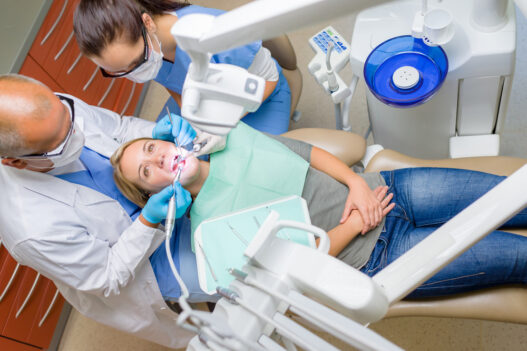
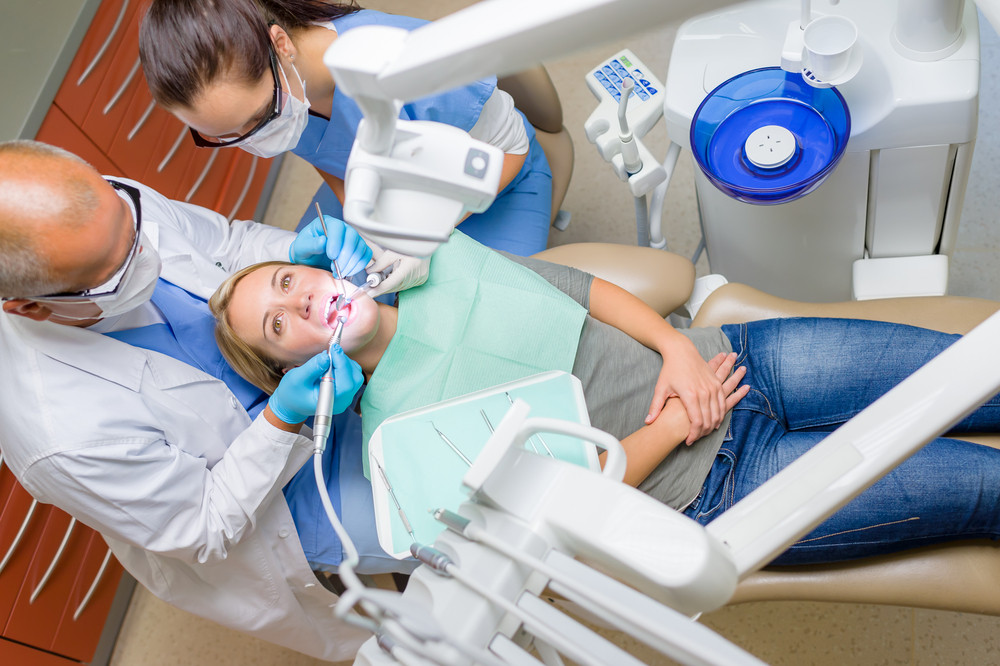
Families who care for someone with special health needs carry a heavy load. Dental visits can feel risky, rushed, or even unsafe. You may worry about pain, fear, behavior, or medical emergencies in the chair. This blog explains how a family dentist can adjust care so your loved one feels protected and respected. You will see how dentists plan visits around medical limits, use simple tools, and change steps to match each patient. You will also learn what to share before an appointment, how to prepare at home, and when to ask for help from an emergency dentist in Joliet, IL. The goal is clear. You should walk into a dental office knowing what to expect and what to request. No one should be left out of oral care. With the right support, you can protect teeth and lower stress for your whole family.
What “Special Health Needs” Means For Dental Care
Special health needs can include physical limits, autism, other developmental conditions, chronic illnesses, and mental health conditions. Each one can change how your loved one sits, breathes, swallows, or reacts to touch and sound.
According to the National Institute of Dental and Craniofacial Research, people with disabilities often have more cavities and gum disease because they face more barriers to care. You can read more at this NIDCR resource on developmental disabilities and oral health.
Family dentists who treat these patients learn to slow down, simplify steps, and plan around medical and sensory needs. Your role is to share clear details so the team can match care to your loved one.
Key Ways Family Dentists Adapt Care
Most changes fall into three groups.
- Planning before the visit
- Adjusting the office and tools
- Changing how treatment happens
Planning Before The Visit
Good care starts before your loved one walks in. You can expect the office to ask for more detail than usual. You should be ready to share:
- Medical diagnoses and recent hospital visits
- All medicines and allergies
- Seizure or fainting history
- Movement or balance limits
- Triggers such as loud sounds, bright lights, smells, or face touch
- Best ways to calm or redirect your loved one
- Words or signs your loved one uses for pain or “stop”
Next, the office may offer special scheduling. You can ask for:
- First appointment of the day to avoid delays and noise
- Longer time so no one feels rushed
- Short “get to know you” visit with no treatment
Sometimes the dentist also speaks with a physician. This step helps when your loved one has heart disease, bleeding concerns, or uses oxygen.
Adjusting The Office And Tools
Once you arrive, the team works to remove pressure and shock. Simple changes can make a big difference.
- Lights turned lower or sunglasses offered
- Quiet room away from the main hallway
- Music, noise canceling headphones, or preferred videos
- Blankets or lead aprons used as calming pressure
- Extra pillows or supports to help with posture
The dentist may also change tools. For example:
- Hand instruments instead of loud drills when possible
- Smaller mirrors and suction tips
- Fluoride varnish instead of foam trays
- Silver diamine fluoride for some cavities to slow decay when a filling is hard to complete
Changing How Treatment Happens
Family dentists often use a “tell show do” style. You hear and see each step before it happens. Your loved one can touch some tools first. This simple method can cut fear.
Here are common treatment changes.
- Shorter visits that focus on one or two tasks
- Frequent breaks to sit up, swallow, or reset
- Hand signals to pause treatment
- Use of numbing gel before a shot
- Use of mouth props so your loved one does not need to hold their mouth open
For some patients, the dentist may suggest medicine for anxiety or sedation. The American Academy of Pediatric Dentistry explains how sedation works and how dentists keep patients safe. You can review their guidance at this AAPD policy on anesthesia and sedation.
Table: Common Needs And Dental Office Adaptations
| Patient Need | Common Challenge | Dental Team Adaptation |
|---|---|---|
| Autism or sensory issues | Distress with sounds, lights, or touch | Quiet room, dim lights, “tell show do”, shorter visits, visual schedule |
| Wheelchair use | Transfers and safe positioning | Wheelchair tilt in the operatory, extra staff support, body supports, longer visit time |
| Seizure disorder | Risk of seizure during care | Medical consult, morning visits, padded supports, tools kept out of mouth when not in use |
| Heart or lung disease | Stress and breathing limits | Short visits, upright chair, oxygen on hand, close watch of pulse and oxygen level |
| Severe dental fear | Avoidance of care until pain is intense | Slow exposure visits, numbing gel, sedation options, strong home care plan |
Your Role Before And During The Visit
You have power in this process. Your actions can shape how each visit goes.
Before the visit you can:
- Create a simple story with pictures that shows the steps of a checkup
- Practice sitting in a chair, opening wide, and counting teeth
- Pack comfort items such as a toy, music, or weighted blanket
- Bring a full list of medicines and doctors
During the visit you can:
- Stay near your loved one if that helps them feel safe
- Remind the team about triggers or warning signs for overload
- Use the same words for body parts and tools each time
- Ask for a pause if your loved one needs a break
Planning For Dental Emergencies
Even with careful planning, injuries and sudden pain still happen. A tooth can break. A crown can come off. A seizure can cause a fall. For patients with special health needs, these moments can bring extra fear and risk.
You should ask your family dentist:
- How to reach the office after hours
- Which hospital they work with if sedation or a hospital setting is needed
- When to call 911 instead of driving to the office
You can keep a written plan with emergency contacts, medicine list, and allergies in a bag that goes with your loved one. This small step can spare time and confusion when every minute feels heavy.
Keeping Mouths Healthy Between Visits
Regular home care often protects your loved one more than any single office visit. You can use three steps.
- Brush teeth with fluoride toothpaste twice each day
- Limit sweet snacks and drinks between meals
- Use floss or floss holders once each day if possible
If brushing is hard, you can try:
- Different toothbrush shapes and handle sizes
- Brushing in a recliner or on a bed with the head turned to the side
- Standing behind your loved one so you can support the head and see better
You can ask the dentist to show you a safe position and brushing method that fits your loved one’s body. Routine care is more effective after treatment that respects these needs.
Moving Forward With Confidence
Caring for a person with special health needs takes strength and patience. Dental care should not add fear. You deserve a family dentist who listens, plans, and adjusts each step. With clear shared information, simple changes in the office, and a strong home routine, your loved one can keep a healthier mouth and a calmer mind. That protects comfort, speech, eating, and self respect for years to come.

