
Healthy teeth and gums do not happen by accident. They come from small steady choices, including regular cleanings with your Sterling, VA dentist. You might brush and floss every day. That still leaves hardened plaque that you cannot remove at home. This buildup attacks your gums and bone. It also raises your risk for pain, loose teeth, and costly treatment later.
Regular cleanings break this cycle early. A hygienist removes plaque and tartar. A dentist checks for early signs of infection, decay, and oral cancer. You leave with a clean mouth and a clear plan. Over time, these visits protect your smile, your comfort, and your budget. This blog explains how routine cleanings support long term gum health, prevent tooth loss, and help you keep your natural teeth as you age.
Why Plaque And Tartar Hurt Your Mouth
Every time you eat, bacteria in your mouth feed on leftover sugars. They form a sticky film called plaque. You can brush most plaque away. Yet some plaque stays between teeth and along the gumline. Over time, minerals in your saliva harden that plaque into tartar. You cannot brush tartar off. It locks bacteria against your gums all day and night.
These bacteria release acids and toxins. They cause:
- Red swollen gums
- Bleeding when you brush or floss
- Bad breath that does not go away
- Bone loss around teeth
- Loose or shifting teeth
The Centers for Disease Control and Prevention explains that almost half of adults age 30 and older have some form of gum disease. Regular cleanings help you avoid joining that group.
What Happens During A Regular Cleaning
A cleaning is more than a quick polish. It is a step by step health check.
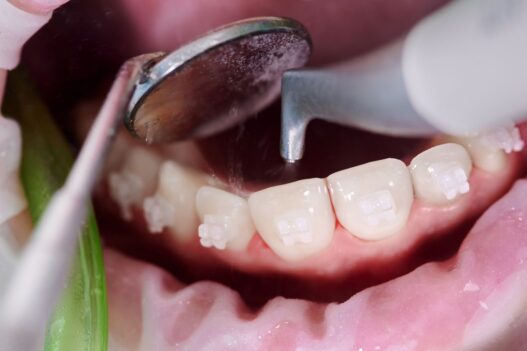
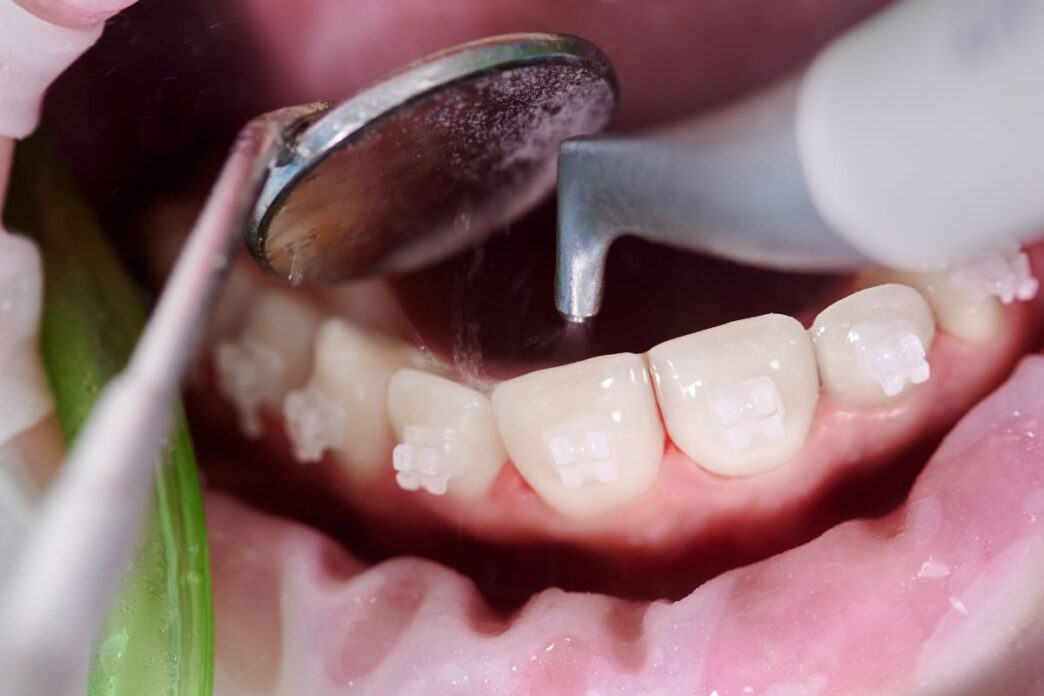
First, the hygienist measures the pockets around each tooth with a small probe. This shows how tight your gums are against the teeth. Next, the hygienist uses tools to remove tartar above and below the gumline. You might hear scraping. That is the sound of hardened buildup coming off your teeth.
Then the hygienist polishes your teeth to remove stains. After that, you rinse to clear away any loose bits. Last, the dentist examines your teeth, gums, tongue, and cheeks. The dentist checks for cavities, gum disease, bite problems, and any strange spots that could hint at oral cancer.
You walk out with cleaner teeth and clear facts about your mouth. You know what is healthy, what needs watching, and what needs treatment now.
How Often You Need A Cleaning
Most people need a cleaning every six months. Some need visits every three or four months. Your risk level guides that plan. The American Dental Association explains that your dentist sets a schedule based on your health, habits, and history.
These factors raise your need for more frequent cleanings:
- History of gum disease
- Diabetes
- Smoking or vaping
- Dry mouth
- Crowded or crooked teeth
- Braces or other appliances
You save teeth when you follow the schedule your dentist sets. Skipping visits gives disease time to spread in silence.
Cleanings Versus Waiting For Problems
People often wait until they feel pain. That choice brings more stress and cost. Regular cleanings catch problems when they are small.
| Approach | What Happens To Gums | What Happens To Teeth | Common Costs Over Time |
|---|---|---|---|
| Regular cleanings | Less plaque and tartar. Shorter flare ups. Slower bone loss. | More natural teeth remain. Cavities stay small. | Lower routine costs. Fewer urgent visits. |
| Waiting for pain | Deep pockets. Ongoing infection. Gum recession. | Larger cavities. Broken teeth. Tooth loss. | Higher sudden bills for root canals, crowns, and extractions. |
This comparison shows a hard truth. You either spend small amounts on cleanings or larger amounts on repairs and tooth replacement.
Benefits For Children, Adults, And Older Adults
Each life stage has different needs. The same cleaning visit helps in different ways.
- Children. Cleanings remove sticky buildup around new teeth. Dentists spot early decay and help teach brushing habits. Kids learn that the dental chair is a safe place.
- Adults. Work stress, rushed meals, and tobacco or alcohol use add strain. Regular cleanings reset your mouth and cut the risk of gum disease and tooth loss during your earning years.
- Older adults. Medications can dry your mouth. Arthritis can make brushing hard. Cleanings protect the teeth you rely on for nutrition and speech. They also help you avoid infections that can strain your body.
Your mouth is part of your body. Gum infections can affect blood sugar, heart health, and pregnancy outcomes. Keeping gums clean supports your whole health.
What You Can Do Between Visits
Cleanings work best when you support them at home. You do not need special tools. You need steady habits.
- Brush two times a day with fluoride toothpaste for two minutes.
- Floss once a day to clean between teeth.
- Use a soft brush to avoid gum wear.
- Limit sugary drinks and snacks to meal times.
- Drink water often to rinse away food and acids.
- Do not smoke or vape.
You can ask your dentist about mouth rinses, fluoride treatments, or sealants if you or your child get frequent cavities.
When To Call Your Dentist Sooner
You do not need to wait for your next cleaning if something feels wrong. Some signs need attention soon.
- Gums that bleed often
- Gums that pull away from teeth
- Loose teeth in adults
- Ongoing bad breath
- Pain when chewing
- Sores in the mouth that do not heal within two weeks
These signs can show gum disease or other serious problems. Early treatment protects your teeth and may protect your life.
Take The Next Small Step
You do not need a perfect mouth to start. You only need a decision. Regular cleanings give you cleaner teeth, calmer gums, and fewer surprises. They turn fear of the dentist into a simple habit. They also give your family a clear example of self care.
Call your dentist, set your cleaning schedule, and keep those dates. Each visit is one more step toward strong gums, steady teeth, and a mouth that lets you eat, speak, and smile with ease for many years.

