
You want the best for your child. Feeding and speech are crucial for their growth. Tongue-tie, a condition that limits tongue movement, can affect both. Understanding this condition helps you make informed choices. Early tongue-tie assessment can improve feeding and speech issues. Simple steps can lead to big changes. For instance, a children’s dentist in Los Angeles can offer guidance and support.
This condition, often overlooked, can create frustration for both parent and child. Difficulty in breastfeeding or bottle-feeding may signal a problem. Speech issues may arise later if ignored. Acting early can save time and stress. You create an easier path for your child by addressing tongue-tie promptly. Seek professional help when needed. A dentist or pediatrician will offer solutions that fit your child’s needs. Navigating this challenge with knowledge and support ensures a healthier future for your child.
Table of Contents
Recognizing Tongue-Tie in Infants
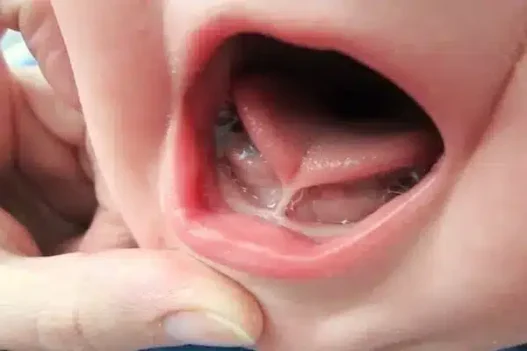
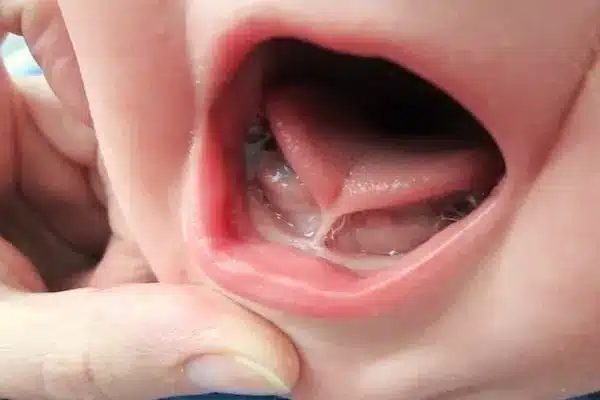
Tongue-tie, medically known as ankyloglossia, is a condition where a band of tissue tethers the tongue to the floor of the mouth. This restriction can cause feeding challenges in infants. Recognizing the signs early can help you address these issues promptly. Common signs include difficulty latching during breastfeeding, prolonged feeding times, and poor weight gain. You might notice your baby’s tongue appears heart-shaped or cannot extend beyond the lower gum line.
Impact on Feeding
Feeding challenges due to tongue-tie can be distressing. Infants may be unable to form a proper seal around the bottle or breast. This may lead to intake of air, causing gas or colic-like symptoms. Over time, inadequate feeding can result in malnutrition and delayed growth. Addressing tongue-tie removes this barrier, allowing your baby to feed effectively.
Speech Development Concerns
While tongue-tie is commonly associated with feeding issues, it can also affect speech development. Restricted tongue movement may hinder the ability to produce certain sounds. Early intervention can prevent these speech complications. Identifying and correcting tongue-tie can facilitate clearer speech as your child grows.
Treatment Options
If tongue-tie is diagnosed, treatment often involves a simple procedure called a frenotomy. This procedure involves snipping the tissue that restricts the tongue. Performed by trained professionals, it is quick and poses minimal risk. Many infants experience an immediate improvement in feeding.
Comparing Various Approaches
| Approach | Procedure | Recovery Time | Effectiveness |
|---|---|---|---|
| Frenotomy | Snipping the tissue | Minimal | High |
| Frenuloplasty | Surgical alteration | Moderate | Varied |
| Observation | No immediate action | None | Depends on severity |
When to Seek Assessment
Consider a tongue-tie assessment if your child shows feeding difficulties or speech delays. Consult with a pediatrician or a dentist specializing in oral health. Early intervention can make a significant difference. The American Academy of Pediatrics provides resources for parents on identifying tongue-tie conditions.
Role of Professionals
Qualified professionals are essential in diagnosing and treating tongue-tie. Pediatricians, dentists, and speech therapists can collaborate to offer comprehensive care. A children’s dentist in Los Angeles may be your first point of contact. They can guide you through the assessment process and suggest appropriate treatments.
Emotional and Developmental Benefits
Addressing tongue-tie early not only improves physical health but also emotional well-being. You alleviate the stress of feeding challenges, ensuring your child receives the nutrition they need. As speech develops, you foster better communication, helping your child express themselves effectively.
Conclusion
Tongue-tie assessments and treatments offer a path to healthier feeding and improved speech. By recognizing signs early and seeking professional guidance, you can ensure your child thrives. Trust in healthcare providers and access resources like the National Institute on Deafness and Other Communication Disorders for further support. Your proactive approach builds a strong foundation for a happy, healthy future.

