
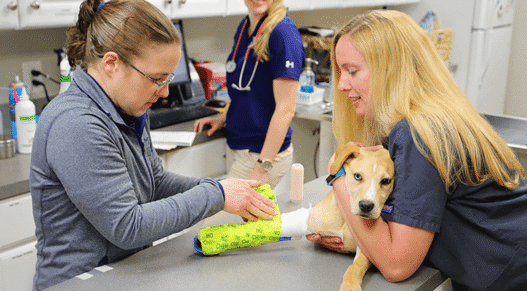
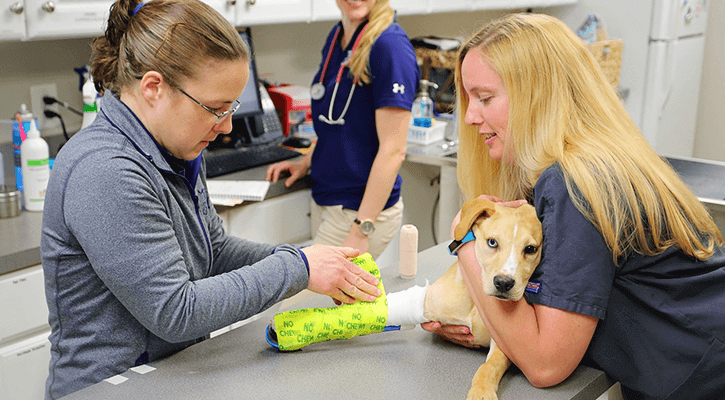
When your pet needs advanced surgery, you feel fear first. You picture bright lights, sharp tools, and long hours waiting. You also wonder how a clinic keeps your pet safe. This guide explains how a modern veterinary team plans, performs, and watches over complex operations. You see how surgeons prepare, how nurses support, and how the clinic tracks every heartbeat. You understand how an animal hospital in Houston, TX uses clear steps to lower risk and reduce pain. You learn what happens before surgery, what happens in the operating room, and what happens right after. You also see how you can help at home. You gain plain facts that help you ask strong questions and push for the right care. You cannot remove all danger. You can demand a careful system that protects your pet when surgery is the only choice.
Step One: Careful Planning Before Surgery
Advanced surgery starts long before the first cut. The team needs a clear picture of your pet’s health. You help by sharing small details that show how your pet lives at home.
Most clinics use three core steps before surgery:
- Review your pet’s full health history
- Run blood tests and imaging
- Build a written surgery and pain plan
First, the veterinarian asks about past problems, medicines, and any odd behavior. Even small signs like slower walks or loud breathing matter.
Next, the team orders tests. These can include:
- Blood tests that check organs and blood cells
- X rays that show bones and chest
- Ultrasound that shows organs in motion
- Sometimes CT or MRI at a referral center
The U.S. Food and Drug Administration explains that these steps help find hidden risks that affect anesthesia and recovery. You can ask the team to explain each test and what it means for your pet.
Step Two: Anesthesia and Constant Monitoring
Advanced surgery needs strong pain control and deep sleep. Anesthesia sounds scary. It is also the tool that keeps your pet still and pain free.
The clinic usually follows three parts of anesthesia care:
- Pre anesthesia check and calming medicine
- Induction and breathing support
- Ongoing monitoring of heart, lungs, and temperature
First, a team member checks heart, lungs, and basic signs on surgery day. Your pet may receive a small dose of calming medicine and pain relief. This lowers fear and makes full anesthesia smoother.
Next, the team places an IV catheter for fluids and medicines. Then they give an induction drug. Your pet falls asleep. The team places a breathing tube and connects it to oxygen and gas anesthesia.
During the entire surgery, a trained nurse or technician watches:
- Heart rate and rhythm
- Blood pressure
- Breathing rate and oxygen level
- Body temperature
The American Veterinary Medical Association states that this constant watch lowers the risk of sudden trouble. You have the right to ask who will watch your pet and what tools they use.
Step Three: What Happens in the Operating Room
The operating room is set up for focus and control. Each person has a clear role. The goal is steady hands and clean work.
A typical advanced surgery team includes:
- Lead surgeon
- Assistant or second surgeon
- Anesthesia nurse or technician
- Circulating nurse who brings tools and keeps records
Before surgery starts, the team checks three things.
- Correct patient and correct procedure
- Clean and ready tools
- Emergency drugs and supplies ready
During surgery, the surgeon uses careful cuts and gentle handling of tissue. The nurse keeps the area clean and dry. The anesthesia staff tracks every reading and reports changes at once.
How Clinics Reduce Risk: A Simple Comparison
You cannot remove all risk. You can choose a clinic that uses safer habits. This table shows common steps and what they mean for your pet.
| Safety Step | Basic Clinic | Advanced Approach | What It Means for Your Pet |
|---|---|---|---|
| Pre surgery tests | Limited blood work | Full blood panel and imaging when needed | Higher chance to find hidden heart or organ problems |
| Anesthesia staff | Shared between tasks | One person focused only on anesthesia | Faster response to blood pressure or breathing changes |
| Monitoring tools | Simple heart and breathing check | Heart, blood pressure, oxygen, CO₂, temperature | Richer data to guide safe anesthesia levels |
| Pain control | Single drug during surgery | Plan that starts before surgery and continues at home | Lower pain and easier movement during recovery |
| Infection control | Basic cleaning | Strict sterile rules and timed antibiotics | Lower chance of wound infection and repeat surgery |
Step Four: Waking Up and Staying Safe After Surgery
The time right after surgery is when many problems show up. Good clinics treat recovery as part of the procedure, not an afterthought.
Right after the last stitch, the team:
- Turns down gas anesthesia and keeps oxygen flowing
- Watches heart, breathing, and temperature until your pet can swallow
- Removes the breathing tube when safe
- Keeps your pet warm and calm in a quiet space
The staff also checks the incision for bleeding or swelling. They give more pain medicine as needed. They write everything down so each shift knows what to watch.
Step Five: Your Role at Home
Your work at home can decide how well your pet heals. You do not need medical training. You need clear rules and close attention.
Before you leave, ask the team to write three things.
- Exact medicine doses and times
- Activity limits and how long they last
- Warning signs that need an urgent call
Common home rules include:
- Use a leash for all walks
- Keep your pet in a small room or crate
- Stop jumping, running, and stairs
- Use a cone or collar to stop licking
You should call the clinic at once if you see:
- Refusal to eat or drink for a full day
- Heavy swelling, bleeding, or bad smell at the incision
- Hard breathing or constant crying
- Sudden collapse or confusion
How to Choose a Clinic for Advanced Surgery
When you face a tough choice about surgery, you can ask direct questions. A strong clinic will welcome them.
Consider asking:
- How often do you perform this surgery
- Who controls anesthesia and what training do they have
- What monitoring tools do you use during surgery
- What is your pain control plan before and after surgery
- Who can I call at night or on weekends if I worry
You cannot erase your fear. You can replace part of it with clear facts. When you know how clinics plan, monitor, and respond, you stand on steadier ground. You can look at your pet, ask sharp questions, and choose a team that treats surgery as a careful system, not a single moment under bright lights.

