

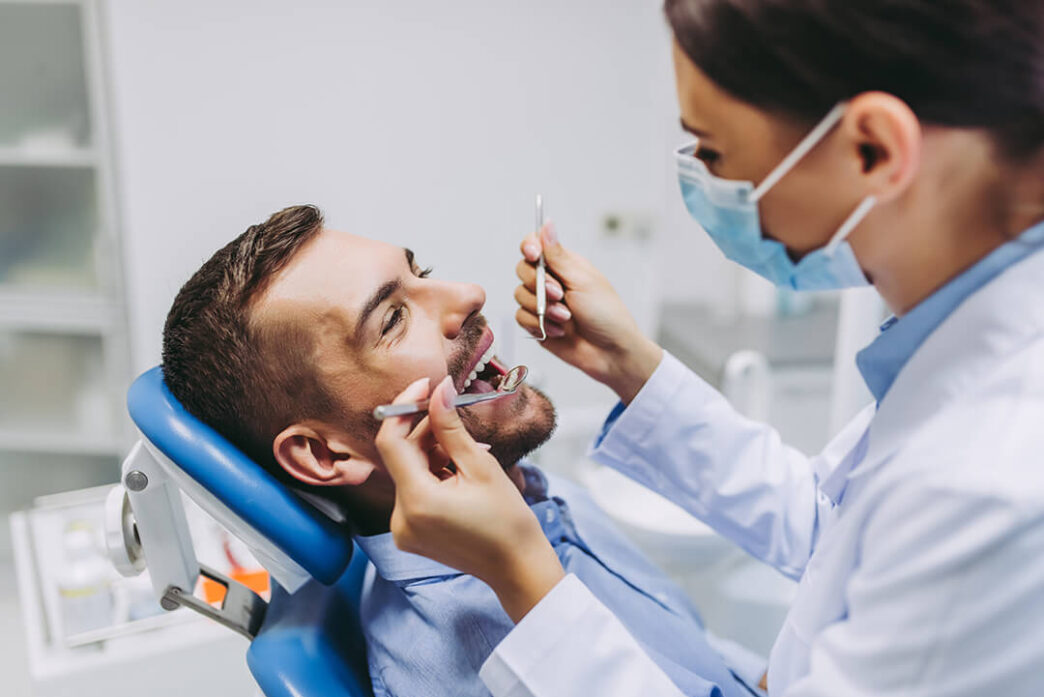
You deserve clear, straightforward information about dental care. X-rays and diagnostic tools in general dentistry are essential for your oral health. They play a vital role in identifying issues like cavities, gum disease, and infections early. A Moreno Valley dentist uses these tools to look inside your teeth, benefiting you by catching problems before they become painful or expensive. With X-rays, dentists can see beneath the surface of your teeth and gums. These images help in forming accurate treatment plans tailored to your needs. Compared to waiting for symptoms, using these tools ensures a proactive approach to your dental care. It’s like having a trustworthy map to guide you toward better oral health. Your dentist can provide insight and direction, giving you peace of mind. Understanding these tools empowers you to make informed decisions in your dental journey. They’re your allies in maintaining a bright, healthy smile.
Types of Dental X-Rays
Dental X-rays come in various forms, each with a specific purpose. Here are the common types:
- Bitewing X-rays: Show your upper and lower teeth in one part of the mouth. Dentists use them to detect cavities between teeth.
- Periapical X-rays: Focus on one or two teeth at a time. They reveal the full tooth, from the crown to the root.
- Panoramic X-rays: Capture the entire mouth in a single image. Dentists use them for planning treatments like braces or implants.
These X-ray types allow your dentist to assess your dental health comprehensively. Understanding which X-ray you need helps in routine check-ups and specific treatments.
Safety of X-Rays
Safety is a top concern. Dental X-rays use minimal radiation. The exposure you receive is small compared to other sources in daily life. Dentists also take precautions to minimize exposure, such as using lead aprons and thyroid collars. For more detailed safety information, you can visit the FDA’s dental imaging guidelines.
Diagnostic Tools Beyond X-Rays
In addition to X-rays, dentists use other diagnostic tools, including:
- Intraoral Cameras: Provide detailed images of the inside of your mouth. They help in diagnosing issues and educating patients.
- Dental Probes: Help identify pockets in your gums, indicating gum disease.
- Digital Scanners: Create precise 3D models of your teeth, aiding in accurate treatment planning.
These tools work together with X-rays to give your dentist a complete picture of your oral health.
Benefits of Early Diagnosis
Early diagnosis through these tools offers several advantages:
- Prevents minor issues from becoming major problems.
- Saves time and money by avoiding extensive treatments.
- Enhances treatment success with early intervention.
Regular dental visits equipped with these tools can significantly improve your oral health outcomes.
Comparison Table: Traditional X-Rays vs. Digital X-Rays
| Aspect | Traditional X-Rays | Digital X-Rays |
|---|---|---|
| Radiation Exposure | Higher | Lower |
| Image Quality | Lower | Higher |
| Processing Time | Longer | Immediate |
| Environmental Impact | Higher Waste | Lower Waste |
Choosing digital X-rays offers benefits in safety, quality, and environmental impact.
Conclusion
Understanding X-rays and diagnostic tools gives you an edge in maintaining your oral health. These tools are key in detecting issues early, ensuring effective and timely treatments. By embracing these technologies, you take an active role in your dental care. For more insights, consider exploring resources from the CDC’s oral health pages. Remember, regular dental check-ups using these tools support a healthy, confident smile.

