
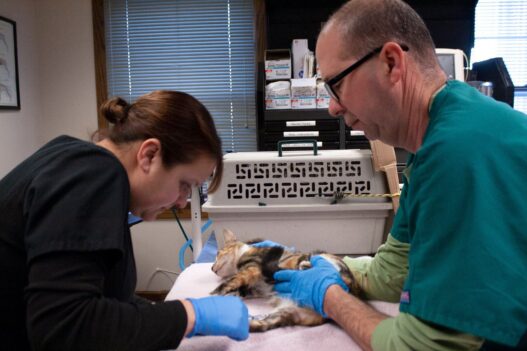
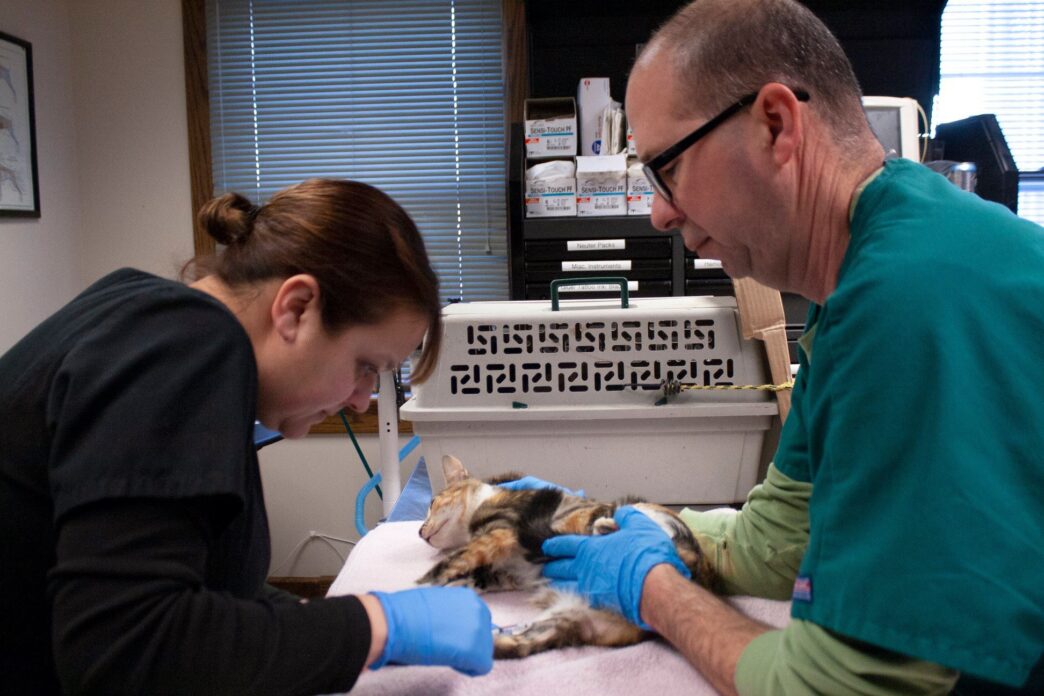
You see the impact of spay and neuter programs every time you walk into a busy animal hospital. These surgeries do more than prevent litters. They protect your pet from pain, infection, and some cancers. They also ease crowding in shelters that already feel overwhelmed. Many owners feel unsure before booking the surgery. You might worry about cost, safety, or how your pet will feel. That concern is normal. Yet every strong hospital team treats spaying and neutering as core work, not as an extra service. The same is true when you search for a spay and neuter veterinarian in Edmonton. You are not asking for a small favor. You are asking for the most protective step you can give your pet. This blog explains why these programs sit at the center of responsible care and how they support both your pet and your community.
Table of Contents
Why hospitals treat spay and neuter as core care
Modern animal hospitals build their daily work around three things. They prevent sickness. They treat sickness. They support you at home. Spay and neuter programs sit in the first group. They stop many problems before they start.
These surgeries lower the risk of:
- Uterine infection in female pets
- Mammary cancer in female pets
- Testicular cancer in male pets
Federal and university experts support this approach. You can see clear guidance from the Centers for Disease Control and Prevention on pet care. You also see strong support for spay and neuter from the University of Minnesota College of Veterinary Medicine. Hospitals follow this science because it protects your pet and your community at the same time.
How spaying and neutering protect your pet
You want your pet to live with comfort and steady behavior. Spay and neuter programs help with both. They do this in three clear ways.
- They lower the chance of certain cancers and infections.
- They reduce roaming and fighting.
- They soften some forms of marking and loud calling.
Many pets also stay closer to home after surgery. That means fewer lost pets and fewer injuries from cars or fights. Hospitals rely on this effect. It cuts the number of emergency visits that start with a loose pet and end with hard news.
How these programs protect your community
Every unplanned litter puts pressure on shelters and rescue groups. Staff must decide which animals they can save. That work leaves emotional scars. Spay and neuter programs remove some of that weight. They slow the flow of unwanted litter into crowded buildings.
When more owners choose surgery, communities see:
- Fewer stray dogs and cats on streets
- Less noise from roaming and fighting
- Lower costs for animal control and shelter care
Hospitals act as quiet anchors in this system. They speak with you at every visit. They remind you about surgery at the right age. They plan safe schedules for high-risk pets. That steady work reshapes whole neighborhoods over time.
Common worries and clear answers
Many owners carry the same three worries. You might fear anesthesia. You might fear pain. You might fear cost. Hospitals expect these fears. They prepare for them.
- Anesthesia. Teams screen your pet before surgery. They use blood tests and exams. They watch heart rate, breathing, and temperature with care.
- Pain. Modern pain relief is strong and safe. Staff sends your pet home with clear steps for comfort.
- Cost. Some hospitals work with low-cost clinics. Some connect you with payment plans or community programs.
You do not need to face these worries alone. You can ask direct questions. You can ask for written plans. A strong hospital will give clear, simple answers.
Why hospitals favor early spay and neuter
Timing matters. Many hospitals suggest surgery before the first heat in female pets and before sexual maturity in male pets. That timing gives three gains.
- Higher cancer protection
- Lower chance of surprise litters
- Fewer behavior issues linked to hormones
Staff match the timing to your pet. They look at breed, size, and health. They do not copy the same plan for every animal. That tailored timing is one more reason these programs sit at the center of care.
Comparing spayed or neutered pets with intact pets
The table below shows clear differences you can expect. It uses simple trends seen across many studies and hospital records.
| Factor | Spayed or neutered pet | Intact pet |
|---|---|---|
| Risk of certain cancers | Lower risk of mammary, uterine, and testicular cancer | Higher risk as age increases |
| Roaming and escaping | Lower urge to roam | Higher urge to roam and seek mates |
| Aggression linked to mating | Often reduced | Often stronger |
| Marking with urine | Often reduced or softer | Often frequent and strong |
| Unplanned litters | None | Ongoing risk |
| Shelter impact | Less strain on shelters | More puppies and kittens seeking homes |
What to ask your hospital before surgery
You can protect your pet and your peace of mind with three simple questions.
- How will you keep my pet safe during surgery
- What pain control will you use during and after surgery
- What do I need to do at home for the first three days
You can also ask about drop-off time, pick-up time, and who to call at night. Strong hospitals already have these answers. They speak in plain words. They do not rush you.
Your role in a larger safety net
When you choose spay or neuter, you do more than care for your own pet. You help shelter staff. You support neighbors who feel worn down by stray animals. You also give your family a pet with fewer health shocks and fewer hard choices later.
Hospitals treat these programs as a core duty because they see the full picture every day. You may only face this choice once or twice. They face it with every new litter and every stray. When you say yes to surgery, you stand with them. You protect your pet. You ease the burden on your community. You also help younger owners see that this is normal care, not a special step.
