
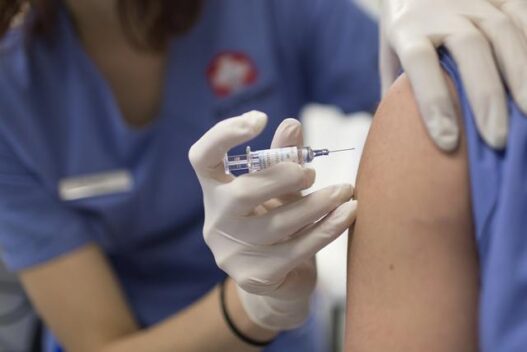
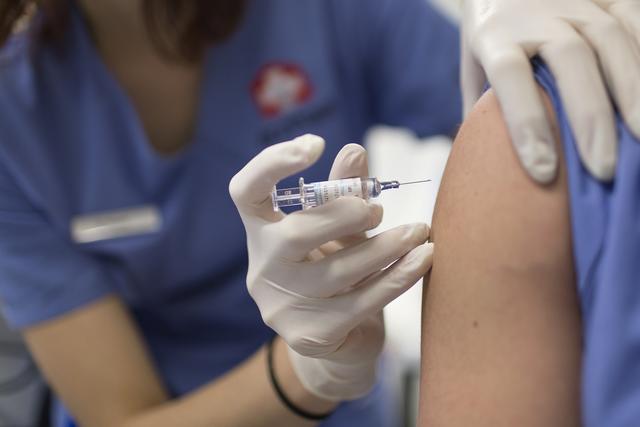
You might wonder why so many vaccination programs begin at animal hospitals instead of elsewhere. The answer is simple. You bring your pets to places where trained staff, secure storage, and strict routines already exist. These places protect the health of your dog or cat. They also protect you and your community.
Every vaccine stored, prepared, and given in an animal hospital follows clear rules. This structure reduces mistakes. It also catches early warning signs of sickness. For example, a clinic such as Bartlett animal hospital can track patterns of disease across many pets. That tracking helps stop outbreaks before they grow. It also guides which vaccines matter most for your region. When you vaccinate your pet at an animal hospital, you join a wider shield that guards families, shelters, and wildlife. You are not only caring for your pet. You are blocking painful risks for everyone.
Table of Contents
Why animal hospitals are the starting point
Animal hospitals sit at the front line of disease control. You bring sick and healthy pets to the same place. Staff see patterns long before anyone else does. That constant flow gives a clear picture of which germs move through your town.
First, staff can spot changes in symptoms. They notice when more dogs arrive with coughs or when more cats show fever. Second, they can check records and see if sick pets share the same neighborhood or park. Third, they can adjust vaccine plans fast when risk climbs.
This fast feedback loop keeps vaccine programs sharp. It keeps your pet safer than a one-time visit to a pop-up event.
Safe storage and careful handling of vaccines
Vaccines are sensitive. Heat, light, and time can weaken them. Weak vaccine means weak protection. Animal hospitals follow strict storage rules that protect every dose.
Here is what usually happens at a clinic when vaccines arrive.
- Staff log each shipment and check dates
- They place vaccines in medical-grade refrigerators
- They track temperatures during the day
- They remove expired doses before use
That same care at animal hospitals keeps pet vaccines strong. It reduces waste. It also lowers the chance that your pet gets a dose that no longer works.
Trained staff who know your pet and the science
Vaccines are not one size fits all. Age, health history, and lifestyle change what your pet needs. Staff at animal hospitals look at your pet as a whole being.
They ask three key questions.
- How old is your pet
- Does your pet go outside, travel, or visit kennels
- Does your pet have past reactions or medical issues
Those answers shape the plan. For example, an indoor senior cat may need a different schedule than a young outdoor barn cat. A dog that visits daycare faces different risks than a dog that stays in your yard.
Trained staff also watch for side effects. They know when a mild reaction is normal and when it signals a deeper problem. That calm watch can save time, money, and fear.
Protecting human health through pet vaccines
Some animal diseases can infect people. Rabies is the clearest example. Without care, rabies is almost always deadly. Vaccinating pets is one of the strongest shields you have.
The World Health Organization and many public health agencies stress the link between pet vaccines and human safety. You can see this in the focus on rabies control across dogs, wildlife, and people.
For more on how animal and human health connect, see this overview from the United States Department of Agriculture: USDA One Health information.
When vaccination programs start at animal hospitals, public health teams can track which diseases appear in pets. They can then warn schools, parks, and local officials when risk grows.
Why routine visits matter for long-term protection
Vaccination is not a single moment. Protection fades with time. New threats also appear. That is why animal hospitals build vaccine programs into routine visits.
During a checkup, staff can.
- Review your pet’s vaccine record
- Update shots that expired or changed
- Screen for early signs of disease
This rhythm keeps gaps from opening in your pet’s shield. It also spreads the cost over time. You can plan for care instead of facing one large bill during a crisis.
Sample vaccine needs for common pets
Every clinic follows its own plan based on local rules and disease pressure. Yet many use a core set of vaccines for dogs and cats. This table shows a simple comparison.
| Pet type | Core vaccines | Often recommended extras | Typical start age |
|---|---|---|---|
| Dog | Rabies, Distemper, Parvo, Adenovirus | Leptospirosis, Bordetella, Lyme, Influenza | 6 to 8 weeks, then boosters |
| Cat | Rabies, Panleukopenia, Calicivirus, Herpesvirus | Feline leukemia virus for at-risk cats | 6 to 8 weeks, then boosters |
| Rabbit | Varies by country and disease risk | Myxomatosis, Rabbit hemorrhagic disease, where present | As advised by local clinic |
This chart is only a guide. Your animal hospital will tailor a plan to your pet.
How you can support strong vaccination programs
You play a direct role in keeping vaccine programs strong and honest. Three steps help most.
- Keep your contact and address details current with your clinic
- Bring your pet’s records when you move or change clinics
- Ask staff to explain each vaccine and its schedule
Clear records help animal hospitals see real trends instead of guesses. Honest questions help you feel calm about each shot.
Why starting at animal hospitals benefits everyone
When vaccination programs begin at animal hospitals, you gain three forms of protection. Your pet gains strong, tailored defense. Your family has a lower chance of facing a disease that jumps from animals to people. Your community gains early warning when sickness starts to spread.
You do not need special knowledge to join this work. You only need to bring your pet to a trusted clinic, keep up with visits, and speak up if something feels wrong. Each visit adds one more layer of safety for your home and your town.

