
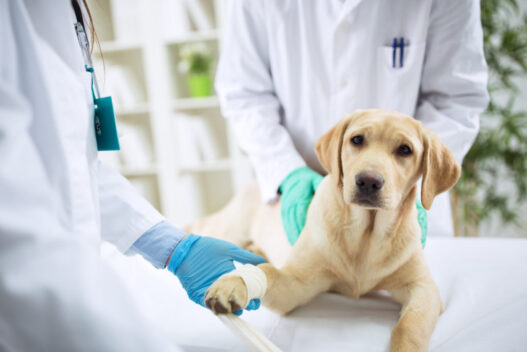
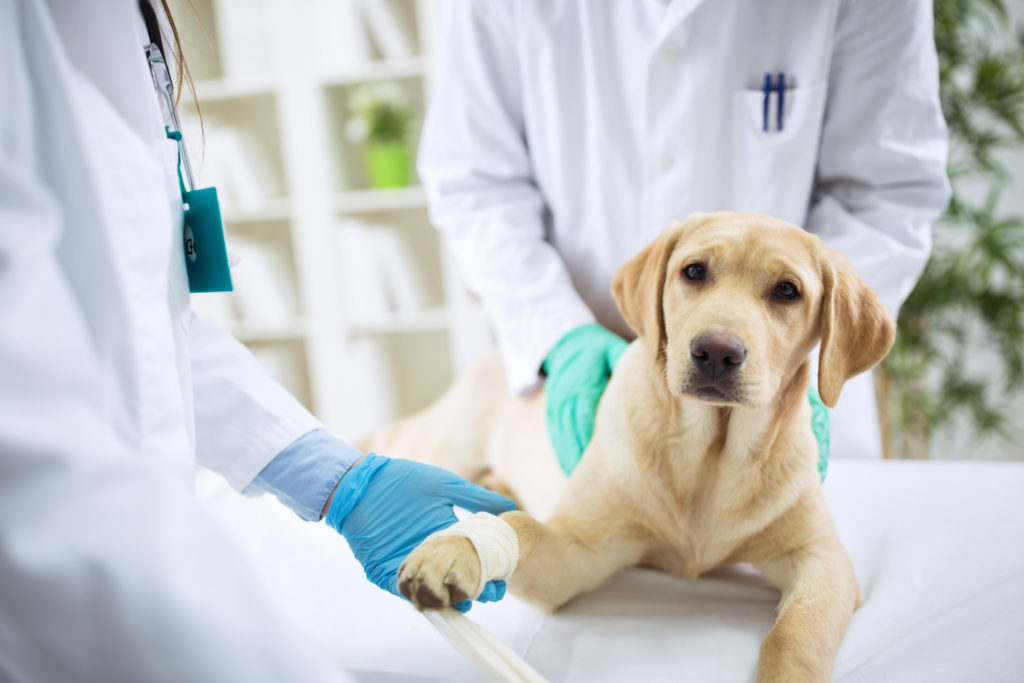
Anesthesia for pets can be scary. You might worry about your pet’s safety when they need surgery. Rest assured, veterinary hospitals take anesthesia seriously. They follow strict safety steps to keep your pet safe. These steps protect your pet while under anesthesia, ensuring they wake up well. For example, an animal hospital in Shuswap, BC, uses these practices every day. They train their team to handle anesthesia with care. Before giving anesthesia, they check your pet’s health. They monitor your pet closely during the procedure. After surgery, they watch for any signs of problems. This process keeps risks low and recovery smooth. Hospitals use modern tools and tests. They draw on years of expertise to use anesthesia safely. These efforts mean you can trust that your pet is in good hands. Knowing this, you can feel more at ease when your pet needs medical care.
Pre-Anesthesia Checks
Before any procedure, vets conduct a thorough health check. This involves looking at medical history, current health, and any potential risks. Hospitals often perform blood tests. This helps check organ function and detect hidden issues. Vets may also conduct imaging tests like x-rays if needed.
Monitoring During Anesthesia
Continuous monitoring is key while your pet is under anesthesia. Staff use equipment to track heart rate, breathing, and oxygen levels. These measures ensure your pet stays stable. If anything changes, quick action is taken.
Post-Anesthesia Care
Post-surgery, your pet is not left alone. The team keeps a close eye on vital signs as your pet wakes up. They watch for any unusual behavior or complications. Pain management is a priority. This keeps your pet comfortable and calm during recovery.
Use of Modern Technology
Veterinary hospitals use advanced technology to enhance safety. Machines like pulse oximeters and capnographs provide real-time updates. They allow for precise monitoring of your pet’s condition. This technology helps detect problems quickly, reducing the risk of complications.
Team Expertise and Training
Veterinary teams undergo extensive training. They learn the latest anesthesia techniques. Regular workshops and courses ensure they stay updated. Each team member plays a role in maintaining safety. Their skills and knowledge are invaluable in handling unexpected situations.
Standard Procedures and Protocols
Veterinary hospitals follow strict guidelines. These protocols are set by organizations like the American Veterinary Medical Association. They ensure standards are met during every step of the anesthesia process. Following these protocols helps minimize risks and enhances pet safety.
Data Table: Anesthesia Safety Measures
| Safety Measure | Purpose |
|---|---|
| Pre-Anesthesia Blood Tests | Check organ function and reveal hidden issues |
| Continuous Monitoring | Track heart rate, breathing, and oxygen levels |
| Post-Surgery Monitoring | Ensure safe recovery and manage pain |
| Use of Modern Equipment | Provide real-time health updates |
| Team Training | Enhance skills and update knowledge |
Conclusion
Your pet’s safety is the top priority during anesthesia. Veterinary hospitals employ a range of safety measures. From pre-anesthesia checks to post-surgery care, each step is crucial. The use of modern technology and expert training further strengthens safety. Trust that these efforts are in place to offer the best care. By understanding these practices, you can feel more confident when your pet requires anesthesia.

