

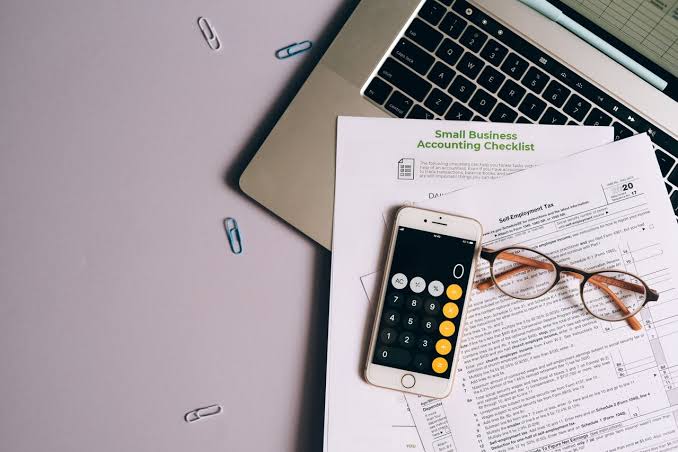
You might be feeling the pressure already. The business is growing, money is moving in and out faster than it used to, and what once felt manageable now feels harder to track. At first, a standard accountant or basic bookkeeping help may have been enough. Then tax questions got more serious, payroll became more complex, and one small mistake started to feel like it could cost a lot. That is often the moment owners start asking why small businesses choose CPAs over standard accountants, especially when looking for a CPA in Scottsdale, AZ. The short answer is simple. When the stakes rise, many owners want deeper training, licensing, and tax knowledge they can trust.
If that sounds familiar, you are not overreacting. Running a small business already asks a lot of you. When financial records, tax filings, and compliance issues pile up, even capable owners can feel stretched thin. Because of that tension, choosing the right financial professional becomes less about convenience and more about protection, planning, and peace of mind.
Table of Contents
Why does a Certified Public Accountant feel different when your business starts to grow?
A Certified Public Accountant is not just someone who works with numbers. A CPA is licensed, meets state requirements, and is often better equipped to handle deeper tax strategy, financial reporting, and higher risk business decisions. A standard accountant may be helpful with daily recordkeeping or basic returns, but many do not have the same credential, authority, or scope.
So what changes for you in real life? Imagine your business has its first strong year, and now you are wondering how to handle estimated taxes, payroll taxes, owner draws, and deductions without triggering problems later. Or maybe you are applying for financing and your lender wants cleaner statements and more confidence in your records. In moments like these, a CPA often becomes the person who can help you move from reacting to planning.
This is one reason many owners searching for CPA services for small business are not looking for more paperwork. They are looking for clarity. They want someone who can explain what matters, spot risks early, and help them avoid expensive surprises.
What problems can come up when you rely on basic accounting support alone?
Basic accounting support can work well for simple needs. But small businesses are rarely simple for long. Sales tax rules, payroll obligations, contractor classification, deductions, and recordkeeping standards can all become messy fast. The IRS makes clear that good records are the foundation of a healthy business, which is why proper business transaction recordkeeping matters so much.
When records are incomplete or advice is too general, the damage often shows up later. You may overpay taxes because deductions were missed. You may underpay and face penalties. You may think your business is profitable, only to learn cash flow is thinner than it looked. And if you are ever audited, poor records can turn a stressful event into a much bigger one.
What if you are still in the early stage and trying to keep overhead low? That concern is real. Not every business needs a CPA every day. But many businesses benefit from having one involved at key points, especially during growth, hiring, financing, tax planning, or entity changes. The Small Business Administration also offers guidance for managing your business, which can help owners understand when stronger financial systems are needed.
How do CPAs compare to standard accountants for a small business?
When owners compare support options, it helps to look past price alone. The better question is this. What level of risk, strategy, and oversight does your business need right now?
| Area | Standard Accountant | CPA |
|---|---|---|
| Basic bookkeeping | Often provides this service | May provide or oversee it |
| Tax return preparation | May prepare simple returns | Typically handles simple and complex returns |
| Tax strategy | May offer limited guidance | Often provides deeper planning and entity advice |
| Licensing and regulation | Varies | State licensed with formal credential requirements |
| Audit support | May be limited | Often better prepared for representation and response |
| Financial statement credibility | Can help internally | Often carries more weight with lenders and outside parties |
This is where the phrase small business CPA starts to mean something practical. It is not just a title. It often means a business owner has someone who can connect the numbers to real decisions, like when to hire, whether to change entity structure, or how to prepare for tax season before it becomes a scramble.
For small business owners, the IRS also provides a useful guide in Tax Guide for Small Business. Reading it can show you just how many moving parts there are, and why a licensed tax professional can be worth the cost.
What can you do right now if you are not sure which kind of accountant you need?
1. Look at where the stress is coming from.
If your concern is mostly data entry, invoicing, or monthly reconciliation, basic accounting support may still be enough. If your stress comes from taxes, compliance, growth decisions, payroll, or fear of making a costly mistake, it may be time to talk with a CPA.
2. Review your last year for warning signs.
Did you file late, miss deductions, struggle with cash flow, or feel confused by quarterly taxes? Did you mix personal and business spending? Those are signs that a more advanced level of support could help you stabilize the business before the next cycle begins.
3. Ask better questions before you hire.
Ask whether they work with businesses your size, how they handle tax planning, what records they expect from you, and whether they help with audits or notices. You are not just hiring someone to file forms. You are choosing someone who may influence important business decisions.
So where does that leave your business?
It leaves you with a choice that deserves care, not panic. If your business is simple and steady, a standard accountant may still fit. But if your finances are getting more layered, your tax questions are growing, or you want stronger guidance, there is a reason so many owners choose a CPA over standard accounting help. They want fewer blind spots, better planning, and more confidence in the numbers behind the business.
You do not have to figure everything out at once. Start by looking at your current risks, your records, and the kind of support that would help you sleep better at night. When the right financial partner is in place, the business often feels lighter, clearer, and easier to lead.

