
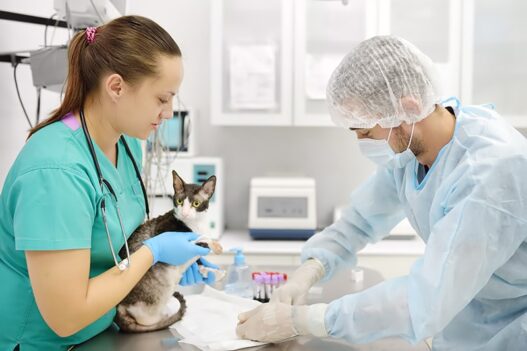
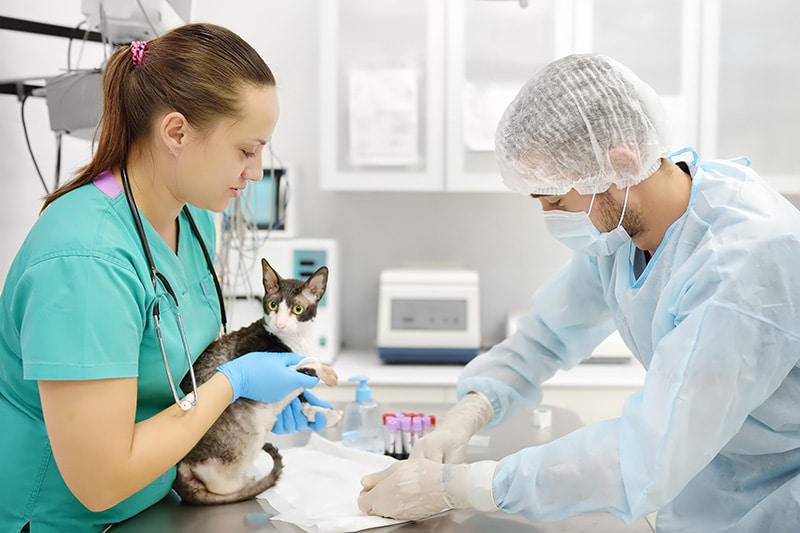
When your pet is sick, scared, or acting different, you want clear answers fast. Blood work gives those answers. It is standard in animal hospitals because it shows what your pet cannot say. You see the limp or the cough. The team sees hidden infection, organ strain, or early disease before it erupts into crisis. Routine tests also build a baseline for your pet. Then small changes stand out. That means treatment can start sooner and with more precision.
Every Burlington veterinarian depends on blood work to guide safe anesthesia, choose the right medicine, and monitor recovery. You might feel uneasy when more tests are ordered. You might worry about cost or stress on your pet. Still, skipping blood work is like turning off the headlights on a dark road. You deserve clear information. Your pet deserves care based on facts, not guesswork.
What Blood Work Actually Shows
Blood work is not guesswork. It is a set of simple tests that show how your pet’s body is working inside.
Most animal hospitals use two main groups of tests.
- Complete Blood Count
- Chemistry Panel
Together, these tests can show three things.
- Infection or inflammation
- Organ strain or damage
- Clotting or blood loss risk
You see a tired pet. The lab report may show anemia. You see more drinking and urinating. The numbers may show early kidney disease. You see weight loss. The results may show thyroid disease or diabetes.
The U.S. Food and Drug Administration explains that lab tests guide safe use of medicine in pets. Your veterinarian uses this same logic every time blood is drawn.
Common Tests And What They Mean
| Test name | What it checks | What a problem might mean |
|---|---|---|
| Complete Blood Count | Red cells, white cells, platelets | Infection, anemia, clotting problems |
| Kidney values (BUN, creatinine) | Kidney function and filtration | Dehydration or kidney disease |
| Liver enzymes (ALT, ALP) | Liver cell health and bile flow | Liver injury or blocked bile ducts |
| Electrolytes | Body salts like sodium and potassium | Dehydration, heart rhythm risk |
| Blood sugar (glucose) | Energy use and sugar control | Diabetes or low sugar crisis |
| Thyroid hormones | Metabolism control | Weight or energy changes |
These tests often look simple on paper. Yet they carry heavy weight. They shape treatment plans, hospital stays, and surgery choices.
Why Blood Work Is Standard Before Surgery
Every anesthetic carries risk. That is true for people and for pets. Blood work cuts that risk.
Before surgery, blood tests help your team.
- Check that kidneys and liver can handle anesthesia
- Find anemia or bleeding risk
- Choose safe drugs and doses
If tests show a problem, the team can delay surgery, give fluids, or change the plan. Without those numbers, anesthesia becomes guesswork. That is not fair to you or your pet.
The American Veterinary Medical Association advises pet owners to talk about pre surgery tests for this reason. Blood work is not extra. It is part of safe care.
Routine Blood Work For Healthy Pets
You might ask why a healthy pet needs blood work. The answer is simple. Health changes with time. Numbers give you a timeline.
Routine blood work helps you and your veterinarian.
- Set a normal baseline for your pet
- Spot tiny changes before symptoms show
- Adjust diet, medicine, or vaccines with fewer risks
For young adults, testing every one to two years is common. For seniors, yearly or even twice yearly tests are often recommended. Small changes in kidney or liver values can appear years before clear sickness. Catching those shifts can add time and comfort to your pet’s life.
How Blood Work Protects Long Term Health
Blood work does three strong things for long term health.
- Finds disease early when treatment works better
- Prevents drug side effects by tracking organ function
- Shows if treatment is working or needs a change
For a pet on long term medicine for pain, seizures, or heart disease, blood tests are not optional. They are the only way to see if the drug is hurting the liver or kidneys. You may not see a problem until it is late. Blood work can show strain sooner.
What To Expect When Your Pet Has Blood Drawn
Many families worry about pain or fear. The process is quick.
- A nurse or veterinarian holds your pet gently
- A small patch of fur may be clipped
- A thin needle draws a small amount of blood
Your pet may feel a brief pinch. Most pets handle this well with calm handling. If your pet is anxious, you can ask about comfort steps. These can include treats, quiet rooms, or mild calming medicine when needed.
Costs, Concerns, And Honest Questions To Ask
Cost is real. So is fear. You deserve straight talk.
When blood work is suggested, you can ask three clear questions.
- What are you looking for with these tests
- How will the results change treatment
- What happens if we do not run these tests
These questions keep the focus on your pet’s safety and comfort. They also help you decide what feels right for your family and your budget.
The Bottom Line For Your Pet
Blood work is standard in animal hospitals because it saves lives, prevents suffering, and guides safer choices. It shows disease early. It shapes safe anesthesia. It protects pets on long term medicine. It turns fear and guesswork into clear numbers and a clear plan.
You do not have to like the sight of a needle. You do not have to love the bill. Yet you can understand why your veterinarian asks for these tests. When you know the reasons, you can stand stronger for your pet and ask better questions. That shared trust is the real standard of care.

