
You might be noticing something that felt out of reach a few years ago now feels possible. Maybe you have put off braces for your child because of cost, or maybe you have spent years telling yourself that straightening your own teeth can wait. That kind of delay is common, especially when oral care has to compete with rent, school costs, work schedules, and everything else life asks of you. For families considering Invisalign in Eastchester and Bronxville, that possibility may now feel closer than ever.
The good news is that access is changing. Why Orthodontic Services Are Becoming More Accessible comes down to a few clear shifts, including more treatment options, better payment flexibility, wider public awareness, and growing recognition that oral health is tied to overall health. In simple terms, getting care from an orthodontist is becoming less limited to a small group of people and more realistic for everyday families.
Why has orthodontic care felt hard to reach for so long?
For many people, the barrier was never just one thing. It was the stack of problems all at once. Treatment could be expensive, appointments could be hard to fit around work or school, and some communities had fewer specialists nearby. Because of that tension, you might wonder whether the problem was really your timing, or whether the system itself made care harder to get.
In many cases, it was the system. The Centers for Disease Control and Prevention explains that oral health equity is shaped by income, education, insurance, transportation, and where people live. When those pieces are uneven, access to care becomes uneven too. That affects routine dental care, and it also affects specialty treatment like orthodontics.
There is also the emotional side. If you grew up hearing that braces were cosmetic or optional, it is easy to downplay your own needs. Yet crowded teeth, bite issues, and jaw strain can affect speech, cleaning, comfort, and confidence. The National Institute of Dental and Craniofacial Research points out in its summary of oral health in America that oral health is linked to quality of life, pain, function, and social well-being. That matters more than many people realize.
So, what is making orthodontic treatment more available now?
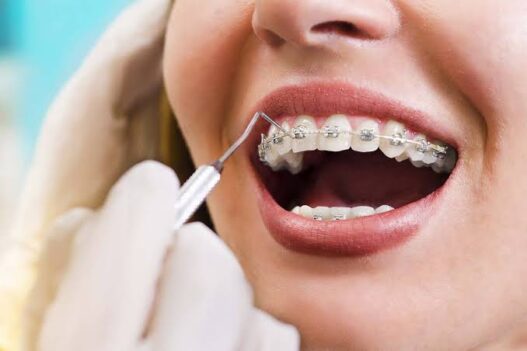
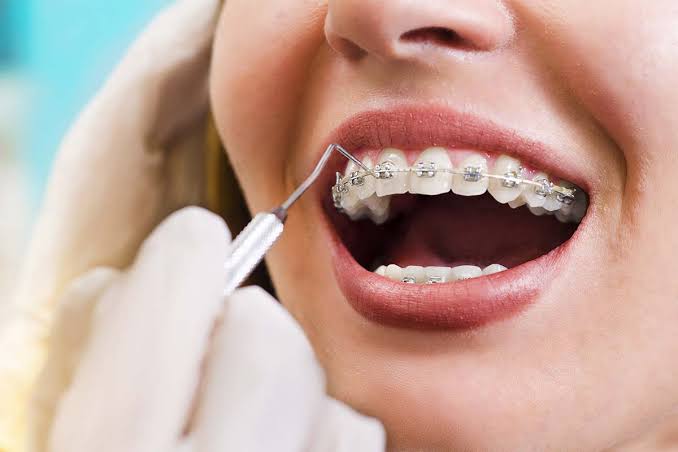
Several changes are moving at the same time. First, there are more treatment paths than the traditional model many people remember. Metal braces are still common and effective, but clear aligners and other newer systems have given patients more choices. When care feels less intimidating and easier to fit into daily life, more people are willing to start.
Second, payment options have improved. Many practices now offer monthly plans, financing, and phased treatment discussions that help families prepare instead of facing one large number all at once. That does not make care free, of course, but it can make it manageable. And manageable often means possible.
Third, technology has helped simplify the process. Digital scans, treatment simulations, and more efficient follow-up can reduce friction for both patients and providers. If a parent can get clear answers faster, or an adult patient can spend less time guessing what to expect, starting care feels less overwhelming.
There is also more public understanding that orthodontic care is not only about appearance. A poor bite can affect chewing, wear on teeth, and cleaning difficulty. Once people understand that, they are more likely to seek help earlier. That shift in awareness is one reason affordable orthodontic care is becoming part of a broader health conversation instead of a luxury conversation.
What does greater access to an orthodontist really look like in daily life?
Sometimes accessibility sounds abstract until you see it in real terms. It can mean a teenager getting braces before crowding becomes harder to treat. It can mean an adult finally asking about aligners after years of avoiding photos. It can mean a family comparing options and learning that the monthly cost is lower than they expected.
It can also mean more realistic scheduling, clearer communication, and treatment plans that fit different budgets and goals. That is where accessible orthodontic services start to feel real. Not perfect, not effortless, but more open than it used to be.
How do common orthodontic options compare?
If you are trying to sort through choices, a simple side-by-side view can help. The right option depends on your bite, goals, habits, and budget, but this gives you a starting point.
| Option | Best For | Common Advantages | Things to Consider |
|---|---|---|---|
| Traditional braces | Complex crowding, bite correction, younger patients | Very effective, fixed in place, often good for precise tooth movement | More visible, food restrictions, regular adjustments |
| Clear aligners | Mild to moderate cases, adults and teens wanting a lower profile option | Less visible, removable for meals and brushing, often easier to clean around | Requires consistent wear, not right for every case |
| Early orthodontic evaluation | Children with developing bite or spacing concerns | Can catch issues early, may reduce later complications | May involve monitoring before active treatment begins |
This is also where the broader rise in orthodontic services matters. More options usually mean more flexibility, and more flexibility often leads to better access.
What can you do right now if you have been putting this off?
1. Start with an evaluation, not a commitment.
You do not need to decide everything today. A consultation can tell you whether the issue is minor, moderate, or urgent, and that clarity alone can lower stress. When people avoid care, it is often because uncertainty feels bigger than the actual problem.
2. Ask direct questions about cost and timing.
Do not assume treatment is automatically unaffordable. Ask about payment plans, insurance coordination, expected length of care, and whether there are options that fit your budget. A short, honest conversation can replace a lot of guesswork.
3. Think beyond appearance.
If you frame orthodontics only as a cosmetic choice, it is easy to keep delaying it. Instead, ask how treatment may affect comfort, cleaning, bite function, and long-term dental health. Seeing the full picture can help you make a decision that feels grounded, not emotional.
Where does that leave you now?
If access used to feel closed off, you are not imagining that. For a long time, orthodontic treatment seemed reserved for people with extra money, extra time, or extra support. But that is changing, and the reason orthodontic services are becoming more accessible is not luck. It is the result of better tools, more flexible care models, and a growing understanding that oral health should not be out of reach.
If you have been waiting for the right moment to talk to an orthodontist, this may be the time to ask your questions and see what options are actually available to you. Sometimes the first step is not saying yes to treatment. It is simply finding out what is possible.

