
You might be feeling torn between wanting a better smile and wondering what treatment will ask of you day to day. Maybe you have noticed crowding, a bite that feels off, or teeth that seem to shift more each year, and now you are trying to sort through words like braces, aligners, and retainers without getting overwhelmed. That is a common place to be. The short version is simple. There are several well-known ways an orthodontist can guide teeth and jaws into healthier positions, and each option comes with its own fit, cost, comfort level, and timeline. If you are exploring orthodontic care Jamestown ND, understanding these differences can make the next step feel much more manageable.
Because of that tension, you might wonder what actually matters when comparing treatments. Is one faster. Is one easier to hide. Is one better for children, teens, or adults. The answer depends on your bite, your habits, and the kind of movement your teeth need. According to MedlinePlus information on orthodontia, orthodontic care is used to correct problems with the teeth and jaws, which can improve both function and appearance.
Why do so many people need orthodontic care in the first place?
Sometimes the issue is easy to see, like crowded front teeth or a gap that has widened over time. Other times, the problem sits deeper in the bite. You may chew unevenly, clench more, or notice that certain teeth wear down faster. A child may have trouble fitting the lips together at rest. An adult may feel self-conscious in photos, then realize the concern is not only cosmetic.
That mix of practical and emotional stress is real. When your teeth do not line up well, cleaning can be harder, certain sounds may feel awkward, and pressure can build in ways you do not expect. The NCBI overview of malocclusion explains that bite problems can involve alignment, spacing, and jaw relationships, all of which affect how the mouth works. So, where does that leave you? Usually, at the point of choosing between a few common treatments.
Which 5 common orthodontic treatments should every patient know about?
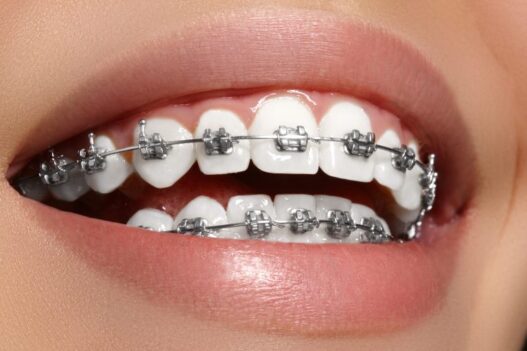
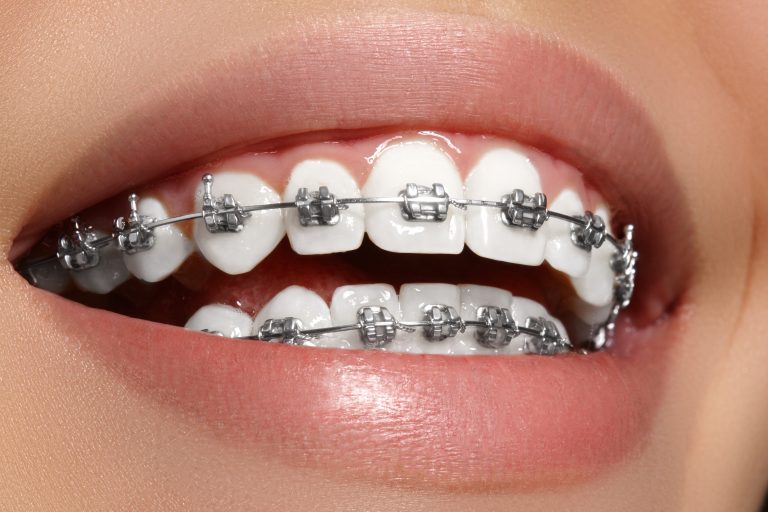
1. Traditional metal braces. These remain one of the most reliable options for moderate to complex cases. Brackets and wires create steady pressure that moves teeth over time. They are often a strong choice when rotation, crowding, or bite correction is more involved.
2. Ceramic braces. These work much like metal braces, but the brackets are tooth-colored or clear. Many teens and adults like them because they blend in more, though they can require careful cleaning and may cost more.
3. Clear aligners. Removable trays are popular because they are less noticeable and can be taken out for meals and brushing. They can be a good fit for mild to moderate alignment issues, but results depend heavily on wearing them as directed.
4. Palatal expanders and other growth-guidance appliances. These are often used in younger patients whose jaws are still developing. They help create space or guide jaw growth before crowding or bite issues become harder to treat.
5. Retainers. People sometimes think treatment ends when braces come off or aligners are done, but retention matters just as much. Teeth naturally want to drift. Retainers help protect the result you worked for.
If you are looking for common orthodontic procedures, those five come up again and again because they address the most frequent concerns patients bring to an orthodontic office.
How do braces, aligners, and appliances compare when daily life is part of the equation?
The hard part is not only choosing what can move teeth. It is choosing what you can live with. A parent may ask whether a child will tolerate an expander. A college student may worry about keeping up with aligner wear. A working adult may want something discreet but still effective. Research published on PubMed regarding clear aligner treatment suggests aligners can be effective for selected tooth movements, though case selection remains important.
| Treatment | Best For | Main Benefits | Things to Consider |
|---|---|---|---|
| Metal Braces | Moderate to complex bite and alignment issues | Strong control, fixed in place, often efficient for complex movement | More visible, food restrictions, extra cleaning needed |
| Ceramic Braces | Patients who want fixed treatment with less visibility | Less noticeable than metal braces, useful for many of the same cases | Can stain if not cared for well, may cost more |
| Clear Aligners | Mild to moderate cases and patients who can wear trays consistently | Removable, easier brushing and flossing, discreet appearance | Requires discipline, not ideal for every bite problem |
| Palatal Expanders | Growing children with narrow arches or developing bite issues | Can create space early, may reduce later treatment needs | Adjustment period, timing matters |
| Retainers | Anyone finishing active treatment | Helps keep teeth in their new position | Must be worn as instructed to prevent relapse |
For many patients, the best choice is not the most hidden or the fastest sounding option. It is the one that matches the biology of your teeth and the reality of your routine. That is true whether you are exploring types of orthodontic treatments for a child or comparing options for yourself.
What can you do right now if you are unsure which orthodontic treatment fits?
1. Write down what bothers you most. Is it crowding, jaw discomfort, spacing, or the look of your smile. A clear list helps the conversation stay focused on your goals, not just the mirror.
2. Track your daily habits honestly. If you know you snack often, forget routines, or play contact sports, that matters. Removable trays and fixed braces ask different things from you, and honesty now can spare frustration later.
3. Ask about the full plan, not only the start. Many people focus on getting braces or aligners, then feel surprised by the retention phase. Ask how long treatment may take, what follow-up looks like, and what happens if teeth shift. Good orthodontic treatment options include a plan for keeping results stable.
So, how should you move forward with orthodontic treatment?
You do not need to know every technical detail before taking the next step. You only need a clear picture of what is happening in your mouth and which treatment fits your needs, your timeline, and your daily life. Whether the answer is braces, aligners, an appliance, or a retainer plan, the goal is the same. You want a healthier bite and a smile that feels easier to live with. If you are ready, schedule a consultation with an orthodontist and ask which option makes the most sense for you.

