
You might be feeling a little uneasy every time you run your tongue across a tooth that feels “off,” or every time you see a tiny dark spot in the mirror and wonder if it is the start of a cavity. Maybe you brush and floss most of the time, yet you still worry that something is quietly going wrong where you cannot see it. That worry is very common. Tooth decay starts silently, and by the time it hurts, it often means more time in the chair and more money out of your pocket—especially if you have not yet found a trusted dentist in Aurora, IL.end
The good news is that modern general dentistry is set up to catch tooth decay at a very early stage, often before you notice any symptoms at all. Early detection can mean smaller fillings, fewer root canals, and more of your natural tooth structure saved. You can think of it as catching a small leak in your roof before it turns into water damage throughout the house.
This guide walks you through how a general dentist spots early cavities, what signs you can watch for yourself, and how early action can protect both your smile and your budget. You will see why regular checkups are not just “cleanings,” but careful screenings that keep small issues from becoming big problems.
Why do cavities start so quietly in the first place?
To understand how dentists detect cavities early, it helps to understand how decay begins. Tooth decay is not a sudden event. It is a slow process that happens when bacteria in dental plaque feed on sugars and starches, then produce acids that weaken your enamel over time. According to the National Institute of Dental and Craniofacial Research, this constant acid attack can lead from early mineral loss to deeper cavities if nothing interrupts the cycle.
The tricky part is that in the early stages there is usually no pain. You might not feel anything while the enamel is starting to break down. Maybe you notice a faint white spot that seems chalky, or a tiny brown stain that does not brush off, or maybe you notice nothing at all. Because there is no obvious discomfort, it is easy to put off a checkup or cancel a cleaning when life gets busy.
So where does that leave you when you are trying to protect your teeth without overreacting to every little spot you see in the mirror?
What gets missed when cavities are not caught early?
Here is where the emotional and financial side of tooth decay shows up. If early signs of cavities are missed, the decay keeps moving inward. What starts as a small, surface-level problem can turn into a deep cavity that reaches the nerve of the tooth. At that point you may feel sharp pain, lingering sensitivity to hot or cold, or discomfort when you chew on that side.
Emotionally, this can feel frustrating. You might think “I was fine a few months ago, how did this get so bad so fast?” In reality, the process was unfolding quietly for some time. Financially, the difference between early and late detection is real. A small filling is usually quicker and less expensive. A large cavity can mean a crown, and if the nerve is involved, possibly root canal treatment or even extraction and replacement. That is a big jump in both cost and time away from work or family.
So the real question becomes this. How does a general dentist spot early decay before it turns into pain and bigger procedures?
How general dentists actually find early cavities during a visit
When you come in for a routine exam, your dentist is not just taking a quick glance at your teeth. A general dentist cavity check is a step by step process that combines careful observation, touch, and modern technology.
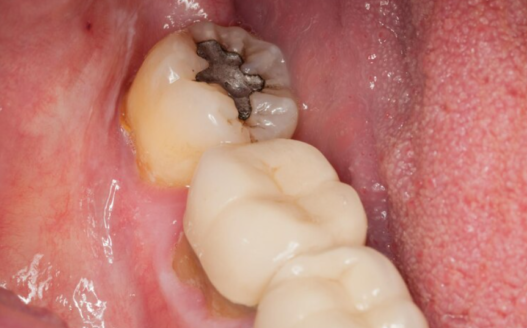
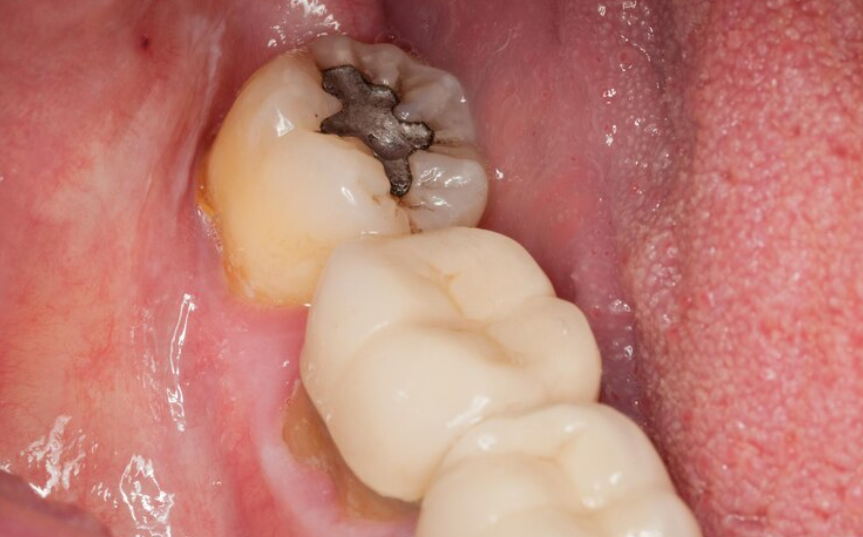
First there is the visual exam. The dentist and hygienist look for white spot lesions, faint chalky areas, and small brown or black spots that do not match normal staining patterns. Early decay on the biting surfaces of back teeth often hides in tiny grooves and pits. That is why your dentist may dry your teeth first. Dry enamel makes subtle changes easier to see.
Next comes the use of a small explorer tool. Gently running this along the grooves and edges of your teeth can reveal softened areas that indicate demineralization. A healthy groove feels smooth and firm. An area in trouble can feel slightly sticky or rough. The dentist is not “poking holes” in your teeth. They are testing how strong or weak the enamel already is.
For areas that are hard to see, such as between teeth, dental X rays play an important role. Bitewing X rays can show early breakdown between teeth long before it is visible to the naked eye. The Centers for Disease Control and Prevention notes that these early lesions, if caught promptly, can sometimes be managed with fluoride treatments and improved home care rather than drilling.
Some offices also use special lights or laser based cavity detectors. These tools measure subtle changes in the tooth surface or how light reflects through the enamel. They provide extra information for those borderline areas where it is not yet clear whether a spot is active decay or just a stain.
When all of this is combined, your dentist can often identify very early stages of tooth decay, sometimes even before a traditional “cavity” has formed. That is what people often mean when they talk about early cavity detection in general dentistry.
What are your options if early decay is found?
Hearing that you have “early decay” or “incipient lesions” can be confusing. It may not feel like a clear yes or no. You might wonder if you really need treatment, or if you can reverse it with better brushing and fluoride.
Here is a simple way to think about it. Some early lesions are still limited to the outer enamel. With focused home care, fluoride, and regular monitoring, these areas can sometimes harden again. Others are already progressing deeper and are very likely to become full cavities. In those cases, a small filling now prevents a larger problem later.
If this feels like a gray area, you are not alone. The key is having an open conversation with your dentist about what they see, how fast it appears to be changing, and what your options are. That way you can weigh the short term cost of preventive treatment against the potential long term cost of waiting.
Early self checks vs general dentist exams: how do they compare?
You might wonder how much you can realistically catch at home, and how much truly requires a professional exam. This comparison can help clarify.
| Approach | What you can usually detect | What you will likely miss | Potential outcome |
|---|---|---|---|
| At home self checks | Visible dark spots, chips, food getting stuck in the same place, sensitivity you notice while eating or drinking | Early enamel demineralization, decay between teeth, subtle soft spots in grooves, changes under old fillings or crowns | Problems often noticed only once pain or visible damage appears, higher chance of needing larger fillings or root canal therapy |
| Regular general dentist exams | All of the above plus early white spot lesions, hidden decay on X rays, issues under existing restorations | Day to day habits that happen between visits unless you share them, such as frequent snacking or grinding at night | Greater chance to treat decay early, smaller restorations, more natural tooth preserved, better long term comfort |
According to MedlinePlus information on tooth decay, a combination of good home care and regular professional exams is the most effective way to manage cavity risk over time. It is not an either or choice. Each plays a different role.
What can you start doing today to lower your cavity risk?
You do not need to overhaul your whole life to protect your teeth. A few focused steps can make early detection more effective and decay less likely to progress.
1. Pay attention to small changes, not just pain
Notice if you see new white or brown spots that do not brush away, if one tooth traps food more than before, or if you feel mild sensitivity that lingers. These are early signals. Make a note of which tooth and how it feels. Share that with your dentist at your next visit, or sooner if it worsens. Catching these changes early gives your dentist a chance to watch or treat while the problem is still small.
2. Strengthen your enamel every single day
Use a fluoride toothpaste twice a day and spit, but do not rinse with water right away. This leaves more fluoride on your teeth to harden weakened enamel. If your dentist suggests a prescription fluoride or a high fluoride mouth rinse, use it as directed. Limit frequent sipping on sugary drinks or constant snacking. Your teeth need time between acid attacks to repair. These simple habits support what your dentist is doing in the office during a general dentistry cavity exam.
3. Treat your checkups as early warning visits, not just “cleanings”
See your exams as screenings, not just polishings. Ask your dentist if they see any early areas of concern, and what the plan is for monitoring or treating them. If you have a history of many cavities, ask how often you should come in for X rays and exams based on your personal risk, not just a standard schedule. When you view your visits as early warning checkpoints, you are more likely to stay consistent, which is where the biggest protection comes from.
Moving forward with more confidence about your teeth
Cavities do not appear overnight. They grow quietly, often without pain, which is why it can feel unfair when a tooth suddenly needs more involved treatment. Understanding how general dentistry detects early signs of cavity formation gives you back some control. You can see that many problems are preventable or manageable when caught early.
You do not have to become a dental expert. You simply need a solid routine at home, honest communication with your dentist, and regular exams focused on early detection. With that combination, small issues are far more likely to stay small, and your natural teeth have a better chance of staying strong for many years.
When you are ready, schedule a checkup and use it as a chance to ask about your personal cavity risk and any early areas your dentist is watching. A short visit now can save you time, money, and discomfort later, and it can give you the peace of mind that comes from knowing where you truly stand.

