
You might have heard the words “deep cleaning” at a dental visit and felt your stomach drop. That reaction is common. A Thousand Oaks dentist may explain that gum disease often shows up quietly, then suddenly you are hearing about bleeding gums, pockets around teeth, bone loss, and treatment you did not expect. It can feel like a lot, especially when your teeth may not even hurt much yet.
That is one reason scaling and root planing is still trusted. It treats the source of periodontal disease by removing plaque, tartar, and bacteria below the gumline, where a regular cleaning cannot reach. For many people, it is the first and most effective step for controlling infection, calming inflammation, and helping keep teeth in place.
Table of Contents
Scaling and root planing treats the disease where it starts
Periodontitis is not just “dirty teeth.” It is an ongoing infection and inflammatory process that damages the tissues and bone supporting your teeth. You may notice bleeding when you brush, bad breath that keeps coming back, gums that look swollen, or teeth that seem a little longer than before. Some people notice nothing at all until a dentist or periodontist measures deep gum pockets.
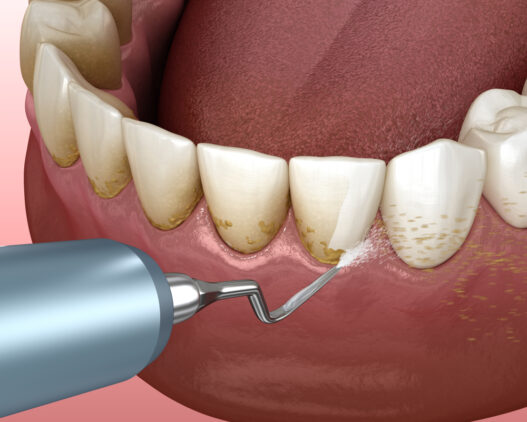
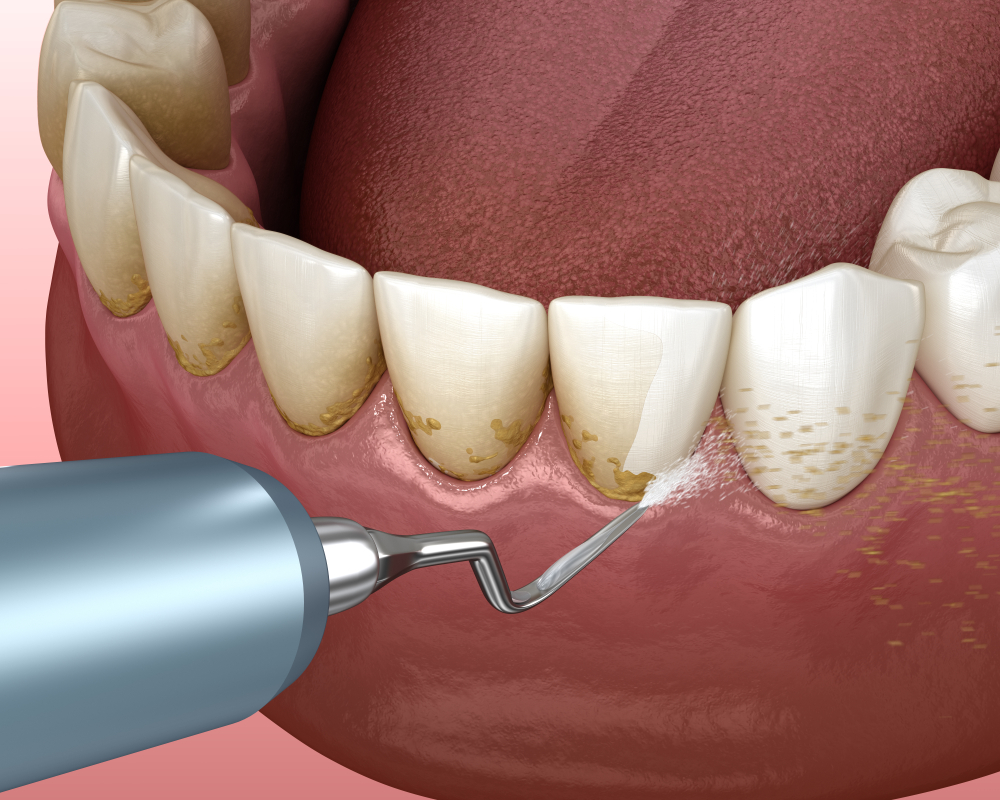
That is where scaling and root planing matters. Scaling removes hardened deposits and bacterial buildup from above and below the gumline. Root planing smooths the root surfaces so bacteria are less likely to cling to them again, and the gums have a better chance to tighten around the teeth. This is why many clinicians still consider deep gum cleaning a gold standard in early to moderate periodontal treatment.
The evidence supports that approach. The American Dental Association includes nonsurgical care as a key part of treatment in its guideline on nonsurgical treatment of periodontitis. The ADA also explains that periodontitis can lead to bone and tooth loss when it is not treated. That is the practical reason this procedure still matters. It is not old fashioned. It is targeted.
A regular cleaning and scaling and root planing are not the same thing
A routine cleaning is meant for maintenance. It removes plaque and tartar from the visible surfaces of teeth and slightly below the gumline. It helps prevent disease, but it does not fully treat established periodontal pockets.
Scaling and root planing is different because the problem is different. Once bacteria settle deeper under the gums, your toothbrush cannot reach them, and a standard cleaning will not do enough. If those deposits stay in place, the body keeps reacting to them. The gums stay inflamed, the pockets can deepen, and the bone holding the teeth can slowly shrink away.
You can see why people wait. They hope better brushing will fix it. They put it off because they worry it will hurt or cost too much. The trouble is that delay often makes treatment larger and more expensive later. A periodontal deep cleaning is usually far simpler than surgery, extraction, bone grafting, or replacing missing teeth.
Why periodontists still rely on this root planing treatment
Periodontists use this treatment because it works for the right cases. It lowers the bacterial load, reduces inflammation, and gives the gums a chance to heal. In many patients, pocket depths improve and bleeding decreases after treatment, especially when home care and follow up visits stay consistent.
The goal is not cosmetic. The goal is to stop the disease process. According to the StatPearls overview of periodontal disease, periodontitis involves destruction of the supporting structures around teeth. Once that support is gone, it does not simply grow back on its own. That is why early treatment matters. A root surface cleaning can help preserve what is still healthy and slow or stop further loss.
This is also why a periodontist may recommend local anesthetic, treating one side of the mouth at a time, or pairing the procedure with antimicrobial measures in some cases. The treatment plan is based on pocket depth, bleeding, bone levels, medical history, smoking status, and how active the disease appears to be.
Practical differences between routine cleaning and scaling and root planing
| Factor | Routine Cleaning | Scaling and Root Planing |
| Main purpose | Prevent disease and maintain oral health | Treat active gum infection below the gumline |
| Area treated | Visible tooth surfaces and shallow gumline areas | Deep pockets around tooth roots |
| Best for | Healthy gums or mild gingivitis | Periodontitis with deeper pockets and buildup |
| Anesthetic | Usually not needed | Often used for comfort |
| Number of visits | Often one visit | May be split into multiple visits |
| What happens if skipped | Higher risk of future buildup | Ongoing inflammation, deeper pockets, bone loss, possible tooth loss |
Small steps now can prevent bigger treatment later
Get a periodontal evaluation. If your gums bleed, your breath stays bad, or your teeth feel different when you bite, schedule an exam with a periodontist. Pocket measurements and X-rays show what is happening below the surface.
Ask for the numbers. You want to know your pocket depths, where bone loss shows up, and whether the condition is localized or generalized. Clear numbers make the decision less abstract and help you understand why scaling and root planing may be recommended.
Commit to the follow up. The procedure is only one part of care. Daily brushing, cleaning between the teeth, and periodontal maintenance visits are what protect the results. If you smoke, cutting back or quitting can make a real difference in healing.
Early treatment protects more than your gums
There is a reason this treatment has stayed in use for so long. It addresses the actual problem, it has strong clinical support, and it can prevent a manageable condition from turning into tooth loss and more invasive care. If your provider has recommended this root service, that usually means they are trying to stop damage before it becomes harder to control.
You do not need to panic, and you do not need to ignore it. A periodontist can help you understand what stage the disease is in, what treatment fits, and what comes next.

